Businesses must adopt a customer approach to attract accounts successfully.
Fortunately through the implementation of an account based marketing strategy they can achieve that.
In a world inundated with marketing tactics ABM stands out by concentrating on clients. It utilizes tailored messages to align sales and marketing endeavors.
ABM is not a passing fad rather it represents a shift, in how companies tackle B2B marketing.
By restructuring the marketing funnel ABM begins with identifying leads and nurturing a group of high value companies with the primary objective of attaining high levels of engagement that are both efficient and effective.
So, what is ABM strategy?
This case study provides an in depth exploration outlining ABM benefit compared to marketing approaches and concluding with a blueprint for its implementation.
Account Based Marketing (ABM) Defined
Account based marketing serves as a tool employed by B2B enterprises wherein marketing strategies are customized for key accounts.
Unlike methods ABM emphasizes tailoring strategies to target high value accounts that hold significance for clients businesses.
The process commences by pinpointing the target audience based on an Ideal Customer Profile (ICP), before categorizing them.
The next step involves categorizing them before creating tailored content and experiences, for these customers.
This structured method encourages collaboration between sales and marketing teams guiding clients through the sales journey.
ABM strategies leverage marketing channels like SEO, social media and email campaigns to offer a touch. The ultimate objective is to enhance conversion rates, customer experiences and overall marketing results.
This focused approach streamlines sales processes. Secures significant deals by customizing marketing strategies for promising leads.
Key Components of an ABM Strategy:
- Developing an Ideal Customer Profile
- Identifying Target Accounts
- Generating Personalized Content
- Engaging across Multiple Platforms
- Aligning Sales and Marketing Initiatives
- Evaluating Campaign Performance
Benefits of Implementing an ABM Strategy in Your Marketing
ABM allows businesses to steer clear of marketing methods by concentrating on high value accounts.
By tailoring messages and campaigns, to these accounts companies address their needs and challenges.
This targeted approach enhances the effectiveness of marketing endeavors while optimizing resource allocation. Embracing ABM empowers brands to be more flexible and responsive.
Here are some benefits of using the ABM Strategy:
- Customer Engagement: ABM allows for tailored interactions, with each target account bringing your company closer to customers.
- Increased ROI: Prioritizing high value accounts when allocating marketing resources leads to returns for businesses.
- Quick Sales Cycles: Personalized ABM efforts help speed up the progression of leads through the sales pipeline.
- Sales and Marketing Collaboration: Account based marketing fosters collaboration between company teams resulting in outcomes.
- Enhanced Data Insights: ABM benefit tracking of campaign performance. Provides valuable insights into account engagement.
ABM versus Traditional Digital Marketing
ABM distinguishes itself from digital marketing approaches through its targeted focus.
Unlike marketing that aims for quantity by attracting a number of leads ABM concentrates on specific account segments. This shift from volume centric to value driven strategies makes it easier to communicate company messages
ABM is designed to engage accounts at the time and through the appropriate channels.
B2B sales cycles in ABM are adaptable to changes, in the sales funnel catering to prospects needs and actions as they progress through their journey.
The customer journey is characterized as personalized and non linear within an account based marketing framework.
Marketers understand that each customer takes a path, towards making a purchase. In contrast to marketing approaches Account Based Marketing (ABM) focuses on building connections with customers over time.
This shift in account based marketing strategy requires a mindset and the use of AI tools by modern marketers.
By using the account based marketing tools, businesses can analyze results accurately leading to better alignment between sales and ABM marketing teams in B2B company.
Implementing an ABM Strategy
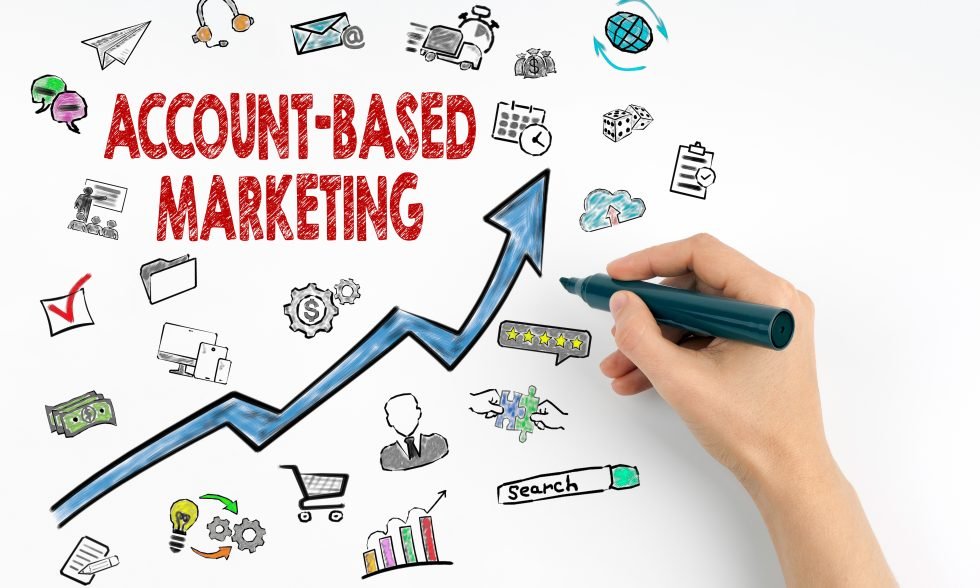
Implementing an ABM strategy involves planning, coordination and execution steps to engage high value accounts
To start with an account based marketing approach it is essential to identify accounts and target companies that match your customer profile.
Utilize data driven methods such as analytics, firmographic data and customer feedback to create a list of companies that meet your criteria for revenue growth.
Finding Potential Customer and Specific Account
Once you have identified these prospects tailor personalized marketing strategies for them based on their needs and preferences.
Work closely with the sales team to select companies that are deemed suitable, for engagement based on interest and potential opportunities.
Improv programmatic ABM tactic with ABM content and enhance overall marketing campaign.
Encouraging Collaboration Between Sales and Marketing Teams
Ensuring alignment, between sales and marketing is vital for the success of an account based marketing campaign.
Teams must collaborate, share objectives and align on target accounts.
Joint meetings play a role in defining strategies and responsibilities to maximize the effectiveness of the ABM approach.
Tailoring Content for Targeted Accounts
Personalized content lies at the heart of successful ABM efforts.
Crafting articles, case study, social media posts and tailored reports that address the challenges, needs and requirements of individual leads is key.
Experimenting with personalized campaign, videos and posts that resonate with users specific concerns can greatly impact stakeholder engagement within the organization.
Providing value at each stage of their journey is essential in converting leads.
Choosing Suitable Marketing Channels for ABM
Selecting the marketing channels is essential for ABM initiatives. It’s important to identify and utilize platforms preferred by your leads such as LinkedIn, Meta platforms, websites, emails, in person events or phone calls.
Maintaining consistency and engaging effectively across these channels ensures an experience, for clients.
Creating an ABM Strategy
Developing a successful ABM strategy entails setting clear objectives assigning tasks and managing resources efficiently.
It involves conducting A/B testing to experiment with approaches and messaging to see what resonates best with your target audience. Defining metrics such, as conversion rates and ROI is crucial.
Monitoring user engagement on your website and social media ABM platform is essential for refining your strategy based on data and feedback from customers.
It’s important to adapt your approach to meet the changing demands of your target market.
The Process of Account Based Marketing
ABM revolutionizes how businesses engage with their clients by focusing on a group of high value accounts.
By tailoring experiences and messages to these accounts digital campaigns target decision makers within those organizations. The goal of ABM is to align marketing strategies with sales ABM effort in order to create personalized campaign.
Key Phases in the Account Based Marketing Process:
- Identifying Target Accounts: Selecting which accountsre most valuable and relevant.
- Conducting Research: Gathering insights about each accounts challenges.
- Creating Personalized Content: Developing tailored content, for each account that addresses their needs and preferences.
- Channel Selection: Utilize a variety of communication channels to reach out to customers with messages.
- Focus on Teamwork: Encourage information sharing to enhance relationships, with clients.
- Continuously Assess Outcomes: Adapt strategies for effective and engaging interactions.
ABM Sales Cycle
In the world of Account Based Marketing (ABM) the sales process is more complex compared to buyer journeys. It centers around creating experiences for acquiring clientele.
The journey kicks off by identifying target accounts and then deepening connections within those accounts.
Implementing an account based approach involves engaging stakeholders at levels including decision makers.
Here are the fundamental stages of the buyers journey:
- Awareness: Employ targeted account based marketing tactics to ensure that your key clients are aware of your solutions.
- Interest: Capture interest by tailoring approaches to address each clients challenges.
- Consideration: Provide resources to steer leads towards choosing your offerings.
- Purchase: Navigate clients through the procurement process with support, from sales representatives.
- Retention: Foster strong relationships post purchase to encourage loyalty and expand accounts.
Awareness Stage
The initial phase, known as the awareness phase marks the interaction with customers.In this phase you present your product or service to an account, for the time.
Targeted marketing plays a role in achieving this objective. By implementing tailored strategies businesses attract the interest of customers.
This is done through channels such as advertisements, emails and social media platforms. When outlining your marketing strategy it is important to focus on addressing the pain points of your target audience.
Each lead faces challenges that your product can solve: demonstrate how your solution can positively impact their business.
Create content that is customized for each account to demonstrate an understanding of their challenges and position yourself as the provider who can address their concerns.
Interest Stage
The interest stage marks the beginning of momentum in your Account Based Marketing (ABM) approach.
At this high value accounts have shown an inclination towards what you offer. It is now your responsibility to nurture this interest and encourage them to consider purchasing your product or service.
Utilize personalized interactions to engage with your target accounts and stimulate their curiosity. Employ tailored messages and content that specifically address the pain points and obstacles encountered by each account.
By doing you exhibit empathy, towards their needs and showcase readiness to provide a solution.
One effective way to interact with accounts during the interest stage is, by using targeted content marketing.
Create content that speaks to users challenges and pain points such as blog posts, whitepapers, case studies or hosting webinars and virtual events.
The goal is to establish your credibility in the industry among customers.
Consideration Stage
Moving on to the consideration stage in an ABM strategy focus on guiding your high value leads as they evaluate your product.
Give them reasons to choose your offering over competitors products. The objective is to position your B2B company as the choice and address any concerns or hesitations that leads may have.
Navigating this stage requires an understanding of the ABM sales cycle. Account based marketing emphasizes building relationships.
Creating buyer journeys distinguishing it from traditional approaches. Collaboration between sales and marketing departments is crucial.
Sales teams must be equipped with information for discussions, with decision makers while the marketing team should provide tailored content addressing customer needs and concerns.
Purchase Stage
Moving on to the purchase phase, your goal is to convert the account into a paying customer.
Guide users toward making a favorable decision and completing the transaction.
Gather information regarding the account’s buying process. Discover their criteria for choosing one product over another.
The rapport between sales and marketing teams is essential. It ensures the flow of information and focuses on mutual goals.
An effective method involves offering personalized incentives or exclusive deals tailored to each prospect.
This includes separate price tiers, extended trials, or extra services.
With these tactics, you meet the account’s needs and preferences and motivate them to make a purchase.
Retention Stage
In the retention phase, the focus shifts toward maintaining a relationship with the account after purchase.
The key objectives are to enhance customer satisfaction, foster loyalty, and encourage repeat business.
Success in the retention stage hinges on delivering value and addressing the evolving prospect’s needs.
We assist users through customer support, regular follow-ups, and regular emailing.
By showing you care, businesses start leaning toward your company. This method deepens rapport and increases sale value.
A valuable tactic in the retention stage is custom account management.
By appointing account managers you establish relationships and act as trusted advisors, to customers. This helps build their confidence in your services.
Account managers suggest products or services to clients addressing their specific needs effectively.
The role of a manager includes anticipating demands and adopting an approach.
Mapping the Customer Journey
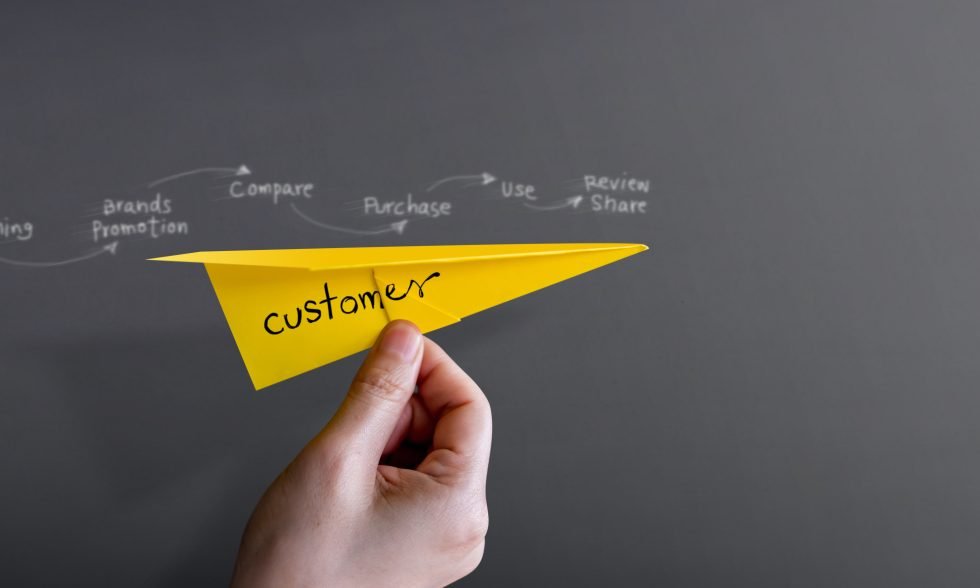
Understanding the behaviors, requirements and decision making processes of customers is crucial for mapping out the customer journey.
Developing a funnel based on customer personas within the account. Identifying different users at each stage. The mapping process consists of:
- Engagement Points: Identifying touchpoints for engaging with clients effectively.
- Personalized Content: Providing customized content to each contact for results.
- Tracking Progress: Implementing software to monitor interactions throughout the journey for strategies.
The Key Responsibilities of Sales Representatives
Sales play a role in this marketing strategy by nurturing relationships, with accounts and offering insights to shape marketing plans accordingly.
Their deep understanding of target accounts allows them to collaborate effectively with the marketing team.
Both departments pool their resources to create content that resonates with the target audience.
Managers have expectations, from their sales team:
- Being Proactive: Sales representatives in Account Based Marketing (ABM) are proactive in contacting accounts with messages.
- Staying Informed: They understand the needs and challenges of each account.
- Collaborating with Marketing: Sales reps work closely with a marketer sharing objectives.
Improving the Sales Funnel in Account Based Marketing
To convert a prospect it’s essential to guide them through three phases of a marketing funnel.
This journey includes:
- Targeted Top of Funnel (TOFU): Engaging with accounts through outreach activities.
- Nurtured Middle of Funnel (MOFU): Establishing relationships with stakeholders. Providing nurturing support.
- Tailored Bottom of Funnel (BOFU): Adapting the sales approach for each account by offering deals.
Top of the Funnel
At the stage of the funnel the primary focus is on identifying and engaging accounts.
Unlike methods that target leads ABM concentrates on a select group of high potential accounts.
To enhance this phase in ABM marketer need to:
- Define the Ideal Customer Profile
Identify the characteristics that make an account a suitable fit, for your product or service.
Factors to consider include the type of industry the size of the company job positions and other relevant aspects.
- Develop a Target Account List (TAL)
Put together a list of accounts that match your Ideal Customer Profiles (ICPs). Refine this list using insights gathered from your sales and ABM marketing teams. This ensures you focus on prospects that are relevant, to your business.
- Build Personal Connections
Once you have identified your Target Account List it’s important to engage with these accounts. Customizing your messages based on ABM tool data is key to making connections.
Middle of the Funnel
During this stage the emphasis shifts towards building relationships with decision makers within the target accounts.
Providing interactions and engagement is crucial in guiding prospects, towards conversion.
To optimize the Middle of Funnel (MOFU) phase of Account Based Marketing (ABM) consider these strategies:
- Segmentation and Persona Development
Group users based on their needs, challenges and interests. This enables tailored messaging for each group. Create buyer personas within each account to understand the motivations and pain points of stakeholders.
- Content Creation and Establishing Thought Leadership
Develop engaging content that addresses the challenges and pain points of your target accounts. This includes creating web articles, white papers, case studies, webinars, etc.
Establish yourself as a figure, in the industry. Provide valuable insights to earn trust and establish authority with key stakeholders.
- Tailored Marketing Strategies for Targeted Accounts
Initiate focused marketing campaigns designed to reach clients within your target accounts.
Utilize a variety of approaches such as display advertisements, sponsored content placements and social media promotions. Implement retargeting tactics to enhance campaign effectiveness.
By aligning your messaging with the needs and objectives of each account you can enhance levels and drive conversion rates.
At the Bottom of the Sales Funnel
Transitioning into the phase of Account Based Marketing (ABM).
The bottom of the funnel stage emphasizes converting leads into customers. Achieve this by closing deals through personalized interactions tailored to meet users specific requirements.
Here are key strategies and recommendations to optimize outcomes at this stage:
- Customized Content for Individual Accounts
Tailor your content to address the demands and challenges faced by stakeholders within your target accounts.
Share relevant case studies, success stories and other materials that showcase the value proposition of your offerings.
Demonstrate how your product or service has successfully resolved business issues. This personalized approach builds credibility and fosters trust in your solution.
- Equipping Sales Teams for Success
Equip your sales team, with the ABM tool to effectively engage with your target audience.
Provide them with personalized content conversation starters and insights gathered from interactions.
Support sales representatives, in engaging in conversations and addressing any concerns or queries that may come up.
- Personalized Demonstrations and Trials
Offer product demonstrations and trial opportunities to decision makers.
Enable them to experience the value and advantages of your product or service.
By customizing these experiences to meet their needs and goals you present your product in the way.
Measuring ABM Success: Essential Metrics to Monitor

Evaluating the results of ABM campaigns involves monitoring both quantitative data.
These key performance indicators (KPIs) indicate levels and conversion rates with your target customers. These are the aspects for you to assess:
- Account Engagement Score: This evaluates the extent of account involvement in marketing activities.
- Pipeline Velocity: This shows how quickly deals progress through the sales pipeline. Use marketing automation to measure it.
- Deal Revenue: The monetary value of each potential customer. Their impact on revenue generation.
- Retention and Account Growth: Reflects the effectiveness of customer retention strategies. Expanding within existing accounts.
Utilizing tables and lists helps structure these metrics
For example a list outlines the steps of the ABM approach systematically while a table compares stages of the sales funnel.
In a system focused on accounts you assess approaches, at every step. Evaluate their impact.
Strategies to Ensure Success in ABM
To excel in executing an ABM strategy it’s essential to employ a range of tactics. Here are some key methods to consider:
Identifying and Prioritizing Target Accounts
Begin by pinpointing. Ranking your target accounts. Make sure these accounts fit your customer profile and offer revenue potential.
Use data driven insights to select accounts that align with your product and are more likely to convert.
Customizing Content and Communication
Adapt your content. Messaging to cater to the challenges, needs and goals of users.
A personalized approach ensures that your messages resonate with the decision makers and influencers in the account.
Leveraging tailored content marketing enables you to captivate and educate your target accounts.
Leveraging Various Communication Platforms
Embracing an omnichannel approach is crucial, for reaching and engaging with your target accounts.
Utilize email marketing, social media platforms, webinars, events as other pertinent channels to convey your message.
By utilizing ABM platform you increase the chances of connecting with stakeholders ensuring that the right individuals receive your communications.
Ensure Sales and Marketing Alignment
It’s crucial for the sales and marketing teams to work together effectively throughout the campaign.
They need to collaborate on defining lead strategies creating campaigns and sharing insights. Communication and joint planning play a role in this process.
Crafting Personalized Content for Targeted Accounts
In strategic ABM program, the focus shifts from content to tailored content that addresses the challenges and opportunities of each target account.
To achieve success, marketing alignment between your marketing and sales teams is essential.
Sharing insights into customers needs is key along with creating customized content formats such as blogs, white papers, infographics and videos.
The personal touch in content creation boosts audience engagement. It enhances the likelihood of progressing through the sales pipeline and improves marketing effort.
It’s important to map out the customer journey and develop content that resonates with buyer personas at every stage of their decision making process.
Leveraging Email Marketing Effectively
Email marketing goes beyond being a spamming tool during these campaigns.
It serves as a means to send personalized messages tailored to each prospect based on factors, like recipient details, role, industry and specific needs.
Taking an approach increases the chances of your email being opened read and acted upon successfully.
When executed effectively email marketing can help you reach your objectives whether its raising awareness nurturing leads or fostering customer loyalty.
By examining metrics such, as click through rates and response times B2B marketing teams can gain insights to optimize their ABM campaign for outcomes.
Utilizing Direct Mail for Custom Experience
Direct mail may be commonly associated with marketing practices but it also plays a significant role in Account Based Marketing (ABM).
It allows us to add a touch to our outreach marketing effort making our message stand out from the rest. Tailored packages or letters are sent to targeted accounts based on their needs and preferences leaving a lasting impression that sets us apart from competitors.
These packages often contain gifts, exclusive offers or useful resources aimed at providing value and building relationships with recipients.
Inserting Digital ABM Advertising
Incorporating advertising into strategic ABM program involves an approach compared to traditional marketing approaches. Ads are customized for users or brands within industries that align with the ideal customer persona.
The campaign objectives range from boosting brand recognition among target audiences to encouraging engagement through personalized content.
Visuals, text elements and call, to actions are carefully crafted based on insights gathered about the users.
Including these advertisements, in an programmatic ABM campaign helps to reinforce the messaging for better ABM effort.
While traditional marketing approaches and great, an effective ABM strategy uses marketing automation to provide better results.
Engaging in Social Selling to Build Relationships with Potential Clients
Social selling involves using social media platforms to establish connections and promote products or services to target accounts.
This approach necessitates collaboration between sales representatives and B2B marketers.
Team members must share knowledge respond to inquiries and position themselves as experts in their fields.
By building relationships the team can discover leads and boost demand generation.
Social selling is most effective when it is consistent, personalized and authentic.
Focus on offering solutions and insights than just concentrating on sales strategies.
What is ABM strategy?
It is an inbound marketing tactic that relies on demand generation and ABM content to connect B2B marketers with specific accounts.


Sergiy Solonenko is the founder of Algocentric Digital Consultancy, a seasoned digital strategist, and a fractional CMO for B2B SaaS brands undergoing digital transformation. With over a decade of experience, he specializes in scaling demand-generation programs, optimizing account-based marketing, and aligning sales and marketing teams. Sergiy helps B2B SaaS companies enhance lead qualification, improve user experience through personalization, and leverage Martech to accelerate MRR growth.