Google Search Ads is a powerful tool many companies use to their benefit. Given the fact that millions of searches are carried out per second, Google has a very large base of searches or rather a network of searches where the ads can be placed strategically. Just as everything does, Google Search Ads change over time and that requires those using these services to change tactics with them.
Exploring Google Search Ads promises increased traffic and better conversions—something every digital business eagerly seeks. To make the most of this tool, the essence of this endeavor is comprehension—not only how these ads work, but also realizing their versatility is invaluable. It sets the stage for developing campaigns representing the brand and achieving its strategic objectives among audiences.
In contrast with other articles that provide a general overview of these platforms, this article delves deeper and provides a treasure trove of tips for persons who seek to enhance their knowledge on Google Search Ads. If a carefully crafted message looks like the work of art, then every ditch, every rock, every tip and trick is the shining light pointing to the way forward. Whether it is to gain greater levels of targeting precision or take advantage of Google’s AI for superior results, this is where the process of mastering Google Search Ads begins.
“Google Search Ads promises increased traffic and better conversions—something every digital business eagerly seeks.”
Understanding Google Search Ads
Google search advertisements have therefore brought a shift in the marketing and advertisement techniques that relate organizations and companies with prospective clients. Given a potential impression that connects it to the over 8 billion people mass stream. As people run 5 billion searches on Google daily, these ads locate products and services in the line of sight of the audiences that are looking for such products and services the most.
When employing offline conversion tracking, it is easy to link CRM to Google Ads, enabling the tracking of important metrics like Cost per Marketing Qualified Lead, Cost per Opportunity, and Cost per Closed/Won – means potent signs of the consequences of your advertisement on revenue fully.
Google Search Ads is a very powerful tool, and if you want to fully explore the extent of its potential, there is information out there waiting for you. Google has a broad list of resources, including over 50 articles to enable businesses to solve their problems in managing their search ads. What started with the depths of keywords and their relevance to a search query, transitioning through the role of match types, search terms, and quality scores, advertisers are equipped to build strong, commanding search strategies that fit the targeted campaign goals.
Google Search Ads Basic Functionality
Google Search Ads use a keyword targeting strategy. Instead of isolating specific targets, advertisers select keywords that fit their campaign, aiming to attract users’ attention during their searches on the Google Search Engine Results Page (Google SERP).
. When these keywords are being searched, there are ad formats ranging from eye-catching headlines, display URLs, and inviting description text ready to welcome potential customers. Since these basic constituents can be upgraded, ad extensions provide extra space by employing related supplementary information.
It is important to note that at the core of Google Search Ads is an auction-based model. In every search carried out, an auction selects the ad which is to be placed on the top of the page and this depends on the keyword relevance and the price the advertiser is willing to pay. The result? This means that the advertiser placed the ad at a frequency that is proportional to the rate for the space and the relevance of the content of the ad to the searcher’s query. These factors interact to create a unique outcome: the Quality Score and the bid amount determine the performance of the ads, their visibility, and the advertiser’s liabilities.
Advantages of Using Google Search Advertisements
This accounts for the fact that Google Search Ads has a level of efficiency when it comes to targeting since marketers are able to actually bid on relevant keywords. This precision targeting makes it much easier to get to consumers’ doors that are more likely to convert into more qualified leads, leads with higher conversion rates and subsequently a higher ROI. This shows that the platform provides an all-in-one analytics feature that makes it simple to measure and promote reasons for PPC. They can encourage one to discover other opportunities like the Google Display Network in the same way.
Responsive Search Ads are flexible; they allow an advertiser to create an array of headline and ad copy. Google’s AI eventually decides on the most effective combination depending on the audience engagement and more, which gradually increases the effectiveness of your campaign. This makes search ads placed on a results page mimic the native appearance of the platform, so users are already familiar with them, more likely to see, and likely to click on. Optimizing ad keywords makes advertisements appear when they will be most effective, reaching a ready market and placing your goods and services where consumers would be keen to find them in Google search results.
Google AdWords – Basic Strategies of Effectively Crafting Search Ads
As for the current status of Google search campaigns, it is advisable to monitor them as often as possible because this is the key to achieving the best results in the long run. For its part, Google Ads offers a myriad of reporting instruments available to the advertisers that aims at reflecting the efficiency of the undertaken advertising campaigns in terms of ROAS, CPC, Cost per Conversion, and CPA, except for the latter. It is important to know these metrics by heart and they provide you the direct measurements of the ROI for each money spent to be used in improving the strategies that you have formulated.
It is important to note that Google Ads consist not only of searchable ads but also of Google Display Ads, Shopping Ads, YouTube Ads, etc., provided in order to meet all the potential advertising and the ad campaign objectives. Even more, flexible bid automation, which is located within the platform, has enhanced campaigns’ rate and effectiveness since it could be easily adjusted depending on users’ searches and competitors’ bids.
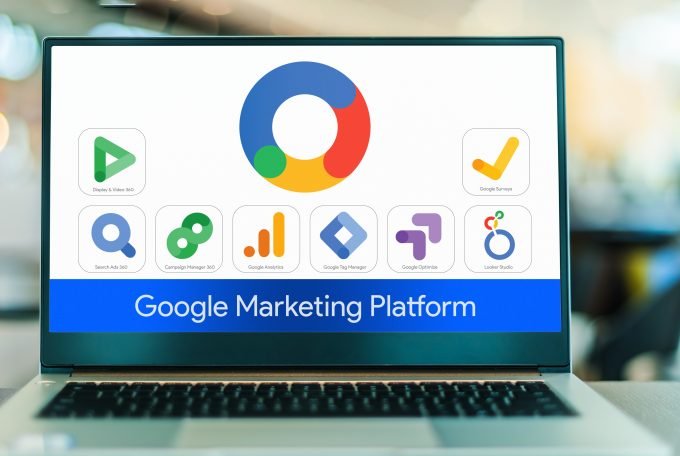
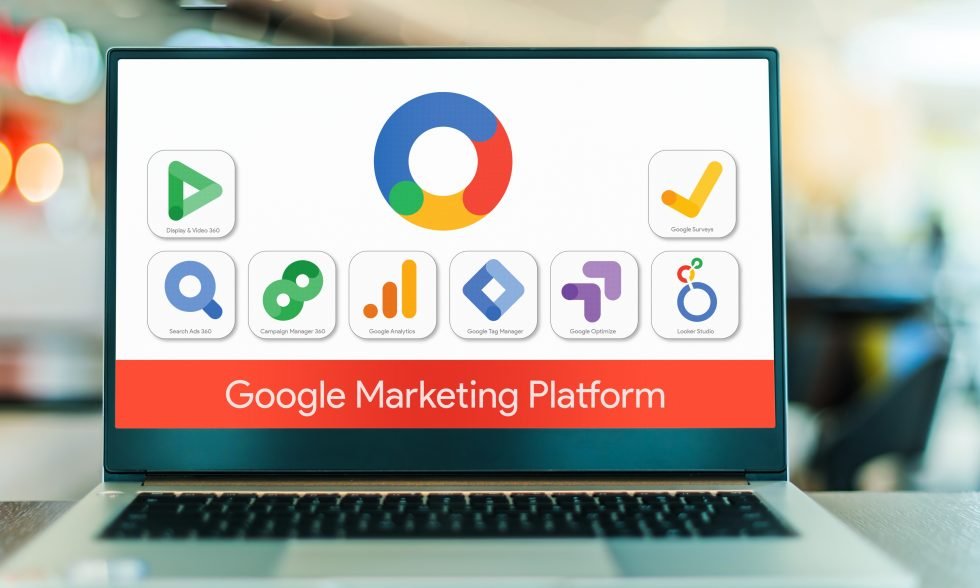
For businesses which are seeking to enhance their search marketing, the integration with such enhanced tools such as Search Ads 360 and Google Marketing Platform can be a continuous means. It allows for extracting complex datasets and for leveraging sophisticated bid strategies and campaign management across major search platforms, which is a critical advantage for the massive advertisers.
Setting Campaign Goals
To drive focused efforts that directly address business objectives, goal setting for your Google Search Ads campaign is an essential step. In Google Ads, campaign objectives could be Sales, Leads, or Website Traffic objectives could be desired. These goals are set by selecting a campaign type such as Search applicable and tailored to goals like achieving more sales or leads or website traffic.
As much as Google Ads has a highly targeted and relevant audience, it seeks to give the advertisements to the people who are interested in specific products and services; this is majorly enhancing for the Search campaigns. Furthermore, the advertised content can be displayed on and across all Google services, which helps increase campaign visibility and the likelihood of the advertiser’s campaigns meeting their performance benchmarks.
Defining Your Target Audience
However, it is important to state that the main strength of search ads originates from these targeting options’ ability to be fine-tuned. This is where advertisers fine-tune their sights onto the respective audiences relevant to their niche based on tools such as keywords, demographics, interests, purchase intent, website activity signals, and remarketing information. Specific to location targeting, it is possible to adjust location targeting to narrow users in specific states or cities, and the advertiser is reminded of the potential campaign extension if sufficient clicks are not expected.
Language targeting serves to ensure that the promoted ads and keywords fit the basin by being in a language that they speak. The level of granular targeting by combining such filters as demographics, interests, activity, and history with ads being displayed only to those who are likely to buy a product/service is the major strength of PPC. Bidding strategy on the other hand relates to the behaviors that you would like your audience to exhibit –Including buying, subscribing or undertaking any other wanted action.
Examining Keywords That Segments Care About For Their Ads
Keywords are the foundation of visibility for links in Google search results. Amplifying Google’s Keyword Planner tool helps the advertisers to get advice on choosing the right relevant keywords for the campaign. To monitor which search terms activate the ads, there are other keyword proximity targets like phrase, exact, and negative keywords. Phrase match, marked by using quotation marks around the keywords, matches strict phrases as well as their small modifications. At the same time, the addition of a minus sign before a keyword filters out all the results containing that term, which contributes to targeting.
Understanding Different Keywords Match Types (Broad Match, Phrase Match, and Exact Match)
The key match types in Google Search Ads—Broad Match, Phrase Match, and Exact Match—are crucial in campaign targeting. Here’s a breakdown of each:
- Broad Match: The least selective type, Broad Match, contains the broadest keyword base. This means your ads may show for searches that include misspellings, synonyms, related searches, and other relevant variations.
- Phrase Match: This type retains the exact words in the keyword in a specific order while allowing other words to appear before or after in the search query. It offers more targeted results than Broad Match.
- Exact Match: Provides the highest degree of targeting, showing your ads only when the search query exactly matches the keyword. While it restricts the reach, it ensures highly relevant ad displays.
The unique features of each match type affect the targeting and relevance of ads. Efficient management of these match types is essential to control the ultimate goal of the campaign.
Enhancing Targeting with Negative Keywords
Negative keywords are powerful tools in an advertiser’s arsenal. They prevent ads from showing in irrelevant search results, thereby increasing the focus of your ad spend. By fine-tuning your advertising approach with negative keywords, your ads will be displayed only to those who are potentially interested in your specific range of services or products.
A wise strategy involves regularly analyzing reports on frequently used search terms and adding negative keywords that are unrelated to your offerings. This practice helps attract more potential clients and increases the probability of conversions.
Writing Compelling Ad Copy
To create compelling ad copy, follow these key points:
- Persuasive Slogans: Use slogans that create awareness and instantly capture the attention of potential customers.
- Relevant Keywords: Include appropriate keywords to make your ads highly searchable.
- A/B Testing: Apply A/B testing on different versions of ad copy to find out which messages provoke the desired response.
- Action-Oriented Tone: Write the ad text in an action-oriented manner, preferably with a call to action, to improve click-through and conversion rates.
- Focus on Audience Issues: Address the right issues within your target audience and offer corresponding solutions to enhance the impact and effectiveness of your ad.
Optimizing Your Google Search Ads Performance
Since the use of Google Search Ads is such a successful method, it is highly desirable to pay considerable attention to the optimization of campaign effectiveness. Campaign monitoring plays a significant role and is considered as one of the crucial activities for ensuring a sustainable high level of performance. Measures including ROAS, CPC, Cost Per Conversion, and CPA are important in determining the worth of Google Ads for the business. It is critical to boost your Quality Score and to adjust the bid amount where necessary since they determine where your ads are ranked and how much you will be charged. The above factors suggest that attaining high Quality Scores results in low CPC, thereby expanding the reach of the advertisements without the bidding up.
When you benchmark your campaign strategies against these metrics and adjust your campaigns consequently, improved return on investment and better bottom line should be expected from your advertising campaigns.
Furthermore, when you connect the robust Analytics 300 application with Google Ads, it enhances your supported search operations and bidding processes. This utilizes the services of data analysis for the improvement of operational performance, productivity, as well as, notably, campaign results. When you benchmark your campaign strategies against these metrics and adjust your campaigns consequently, improved return on investment and better bottom line should be expected from your advertising campaigns.
Observing and Reporting on Campaign Performance through Google Analytics
This platform is quite reliable when it comes to advertising campaigns’ monitoring and analyses, which can be potentially helpful in giving a clue to something that was not initially considered by the ad creators. When the Google Ads campaign has been set up, it is possible to monitor various aspects within this dashboard, which helps to acquire a clear vision of the performance of the campaign. Especially managing the opportunities for a conversion when Google introduced the Performance Max based on AI as a new campaign type, it is even more crucial to focus on the brilliance of Google’s algorithm. Click-through rate (CTR) is one of the metrics of the advertisements’ quality and relevance, which simply shows how able the advertisements are to catch the attention of the users.
Evaluating the Conversion Rate and Monitoring the Metrics of the Conversion
Conversions are perhaps the most fundamental tool you need for evaluating the outcomes of your Google Ads. Offline conversion tracking means that you can connect your Google Ads account with your customer relationship management system (CRM) enabling the assessment of the campaigns in terms of increased revenue. This integration allows monitoring of metrics like Cost per Marketing Qualified Lead (MQL), Cost per Opportunity, and Cost per Closed/Won—essential metrics that shape bids depending on the keywords driving sales. Through checking the conversion rates which, on average, contain higher values for search (4.40%) than for a display campaign (0.57%), allowing you to identify where your advertising swings most effectively.
The Process of Applying Conversion Tracking in Google Ads
The adoption of conversion tracking in Google Ads as a strategic form of working is an effective plan that enhances the visibility and the ability to track your ad campaigns. Although it is not mandatory, if excluded it reduces cross-sectional ROI analyses to mere guesses. Conversion tracking tracks the actions taken on websites, app installs, calls, and sales and so on and in this way an accurate measure of the customer and lead acquisition from ads can be captured. Through conversion analysis, you are able to determine the extent to which users are performing the actions you consider preferred after clicking the ads placed on Google, thus providing highly useful insights that inform adjustments to Google Ads’ campaigns.
Optimising Ad Effects by Conducting Tests on Ad Variants through the Use of Responsive Search Ads
The one that involves testing is important when it comes to ad messages especially when it comes to making amendments on relevance. Some of them include the ability of advertisers to run simple experiments with the ad variations in an effort to fine-tune their ads. While the capability to create responsive search ads is useful on its own, the ability to mix different headlines and descriptions allows for testing various headers and texts to determine the best option. With the help of this feature, it is possible to determine the exact ad features that are particularly relevant to your target audience and thus improve the general effectiveness of Google Ads as a whole.
Making Use of Google AI Facilities for Ad Fine-Tuning
Advertisement effectiveness is another area in which Google’s AI prowess offers a tremendous support mechanism. Currently, there are products like Performance Max that utilize artificial intelligence to provide insights into the conversion potential, which would have otherwise been unseen. In aggregate, the campaigns that incorporate AI, for example, Performance Max, boast 18 percent higher conversion rates for practically the same cost per action. With the progression of AI for advertising, there is the potential of a figurative gold rush for the advertising industry, as AI denotes more precise and efficient advertisement solutions.
Advanced Bidding Strategies to Get Better Performance
More sophisticated bidding techniques in Google Advertising enable one to decide on ad performance through setting of specific conversion value and CON VS. Cost for marketing to targeted ad spend. AdRank, which is derived from the outlined formula that involves both the maximum bid and the Quality Score, will enable the advertisers to further control the location of their ads and costs through the Google Ads platform. CPC, CPM and CPE bidding options are available and each of the advertisers is free to choose a bidding strategy that suits his or her needs and goals in terms of the total amount of money s/he is willing to spend in the campaign. Adding simple features such as phone numbers or links to a site can have additional effects and contribute greatly to the visibility and impact of ads in the search results.
Getting the Best Out of Your Google Search Ads Campaigns
To get the best out of Google Search Adverts, it is always advisable to ensure that the laid strategies match the intended goals and objectives of the campaign as well as the potential behaviors of the target populace. To achieve this, web developers create the ads around highly related terms that are often used by the users when searching for services online, boosting visibility and additional engagement. Selective keyword bidding has been recognized as the key element of the Google Ads auction system and was used in the present study to target consumers effectively. The targeting of the ads, the Board’s relevancy, and the elasticity of your bids will help your ad secure that desirable place in results pages.
Potential customers should click on the advertisement so, attaining a high Click-Through Rate (CTR) is the measure of the success of the Google Search Ad. CTR defines the magnitude of individuals that click an ad to the number of instances an advertisement is displayed (impression). A good ad is generally an effective one, given the fact that it receives a huge number of clicks, which, in addition, corresponds with the intentions of the searchers.
It is imperative to understand that Google Ads campaign types: App, Smart, Shopping, Video on YouTube, as well as Performance Max, provide versatile access to ad placement in the Google Network. Additionally, leveraging video ads, text ads, Youtube ad, Discovery ads, Microsoft ads, optimizing ad revenue, utilizing Google Shopping ads, and crafting effective PPC ads can further enhance the effectiveness of your campaigns and reach a broader audience. It is possible for one to open an account with Google without having to part with any cash, thus creating a basic Google Ads campaign free of cost; although, there are more complex forms of ads known as Search Ads 360 which larger businesses might consider to get more out of the ads in terms of customization.
Adapting New Campaigns Specifically for Mobiles and Making General Campaigns Mobile Friendly
Nowadays, carrying out mobile-only campaigns is critical, especially when a significant portion of internet access is coming from mobile devices. Google Ads once again offers the ability for the advertiser to control the campaign types and device targeting that will come into play since a large portion of the content is viewed from mobile devices. Some measures like selecting mobile-first ad extension and checking that the landing pages are mobile-friendly make them extremely important for achieving good user experience.
Advertisers can also use bid adjustments for mobile, so those who get more conversions will be prioritized on such devices. When targeted, developing a unique message for mobile users can go a long way in enhancing engagement due to the specific behavior implied by mobility. Some of the key indicators that should be observed are mobile CTR and conversions as these metrics are crucial for complying with the mobile performance of campaigns.
Linking Google Search with YouTube, Google Maps, Google Shopping, Etc.
Google’s environment especially for the advertisers consists of several products through which they can display their ads. A word about search ads is that they aren’t exclusive to the Google search network; they may pop up on locations like Google Maps and the Shopping tab. YouTube, being controlled with Google Ads, allows access to a broad range of opportunities that include a video format and, moreover, texts and display advertising that can attract users’ interest in a rather interactive manner.
Combining information from Google Analytics 360 to Search Ads is beneficial for advertisers since the latter gets better tactics and optimizing.
Combining information from Google Analytics 360 to Search Ads is beneficial for advertisers since the latter gets better tactics and optimizing. Most times, reaching out to consumers through the Google network, which is accompanied by features like Google Shopping and Maps, increases the possibility of reaching consumers with higher conversion rates.
Growing Audiences by Using Display Ads on the Google Display Network
Because the Google Display Network can be considered the continuation of Google Search Ads, the possibilities for ad formats available here are vast and include text, image, video, and rich media. Third party websites: This reaches out to numerous third party websites, adding as many points of contact for your display campaigns. Given that the impression metric on the Display Network measures how often your ad is displayed to users across partner sites, the Display Network can play an important role in creating brand recognition.
Some of the most popular display ad formats that are closely associated with the GDN include Google Shopping, and app campaigns. Their reach expands even more as they are shown alongside content related to the keywords in focus, thereby ensuring that there is some level of interest by the targeted audience since the content is likely to be of interest to them.
Using Google Merchant Center for Advertising Goods
Google shopping ad campaigns are critical for all e-commerce businesses because it offers the ability to market specific ads within the Google Merchant Center. Such ads are extremely informative, offering detailed specifics of a product’s price and image and placing it right on Google SERPs when users search for related products.
Through submitting additional detailed product information into Google Merchant Center, companies make the creation of the Shopping Ads possible with further optimizing for keywords. This particular strategy benefits the business since it allows it to advertise the individual products whenever consumers are searching while having the intention of making a purchase.
Improving Google Ad Manager
As mentioned, Google Ad Manager is a very elaborate system that helps in the process of campaign management. It is also possible to create specific groups of ad sets and keywords for advertising needs; this feature is valuable in achieving precise advertising goals. Numerous ad types within Ad Manager improve A/B testing on the circuit, so only the most efficient ads are presented.
Ad extensions that are part of the platform help enhance the quality of ad content, the addition of business information that would spark interest and boost clicks of the ads. Advance planning is important in any review process as they may take some time, depending on the nature of the work. All the elements tracked within the dashboard give the advertiser detailed analytical representations of the campaigns for better decision making and management of those campaigns.
Google AdWords: The Current and Future State

Beyond the basic keyword approach to Google Search Ads, audiences are now wiser to different and even superior ways for improved and effective Google Ads campaigns. Here are some sneaky strategies to enhance your campaign:
- Using Phrases and Quotation Marks:
- Example: Use phrases such as, “This is exactly what you are looking for.”
- Benefit: Adding quotation marks around various keywords helps place specific phrases and closely related phrases.
- Utilizing Brackets:
- Example: Use brackets to enable the exact match in advertising.
- Benefit: Ads will only be placed to searches that perfectly match the keyword or the phrase in the bracket.
- Including a Minus Sign:
- Example: Use a minus sign before disconnecting keywords.
- Benefit: Helps avoid targeting irrelevant traffic, thus saving the advertising budget and improving the campaign direction.
Sponsored Products and Dynamic Search Ads
Sponsored Products, especially Dynamic Search Ads, which merge Google’s targeting and artificial intelligence, are beneficial for comprehensive campaigns. These ad types automatically create millions of headlines and landing pages from the content on your site, covering searches you might not have thought to target with conventional keywords.
Advantages of Google Ads Campaigns
- Wide Coverage: Google Ads campaigns offer extensive reach in the paid advertising sphere.
- Reputable Status: Google Ads are well-regarded, opening up a world of possibilities for businesses.
- Improved Conversion Rates: Experimenting with different targeting methods lead to higher conversion rates.
By incorporating these strategies, you’re able to optimize your Google Ads campaigns and achieve better results.
Advertising and Reaching Out to a Devoted Segment of the Consumer Population
To target the audience, advertising is very important hence the Display Ads through Google Search Ads are perfect for this purpose. With GDN, which is currently made up of more than 2 million websites, Google allows marketers to advertise to the hard-to-reach specific target niche markets that are based on interest or even contextual advertising. Since the consumer channels may be accurately matched to the ad keywords placed to certain markets, specific markets can be efficiently targeted by the advertisers. Additionally, ad campaigns can be more specifically targeted to the narrowly defined audience to set the ads based not only on content but also interests across the vast array of sites in GDN and deliver the right message for a specific audience.
Augmenting Google AI for Audience Mobilization and Engagement
The use of AI by Google is revolutionizing how audience targeting and interaction are achieved. Programs such as Performance Max leverage big data and AI to identify marginal conversion opportunities and optimize targeting approaches.
Advertisers who have adopted this technology report an average increase in conversion rates of 18% without increasing the cost per action. This indicates that Google’s AI can design messages that create suitable advertisements, effectively meeting user requirements.
Integrating AI in ad campaigns, like Performance Max, is essential for discovering new audiences. This technology consistently improves engagement rates and increases the likelihood of conversion.
“Advertisers who have adopted Google AI technology report an average increase in conversion rates of 18% without increasing the cost per action.”
How to Appeal to Potential Consumers Who Have Had Prior Interaction with Your Website: The Use of Remarketing
Retargeting is one of the powerful tools used in Google Ads, geared to bring back the same website users that have previously visited but left without converting. By the use of tracking cookies, the advertisers are able to target these users and showcase them adverts mirroring their previous activities on the site. Since consumers require several exposures before they are converted to customers, remarketing comes in handy to constantly remind the users of the brand and its products nudging them to finalize an order. This is a common strategic focus that redirects the efforts to users who initially expressed some interest but are not yet committed and can greatly improve conversion rates.
Using Google Search Ads in Combination with Other Types of Internet Advertising (Facebook Ads, Bing Ads)
Entailing Google AdWords to other marketing platforms such as Facebook Ads, Bing Ads, among others results in a consortium breakthrough. Cross-channel marketing implies the use of consumers and their associated activities within multiple modes of communication, which in turn enhances the chances of a brand’s exposure and user interactions. When these campaigns are done in harmony on such platforms, marketers end up with a unified identity and fully utilizing the potential of each particular platform. Search ads can target such high-intent searches, while targeting the broad audience on the same and focusing on specific demographics on Facebook, as well as using the benefits of Bing’s network.
Integrating Google Cloud Platform for Complex Data Analysis and Advertising
Using the Google Cloud Platform can significantly enhance your advertising campaign’s data analytics and targeting capabilities. Here’s an overview:
Connecting Google Ads to the Analytics Platform
- Key Insights: Integrating Google Ads with Analytics 360 provides valuable insights for search campaigns, bid strategies, and more.
- Floodlight Conversions: By combining Floodlight Conversions with Analytics 360 metrics, advertisers move beyond last-click attribution to gain a detailed understanding of multi-step conversion funnels.
- Universal Floodlight Tags: These tags allow conversion metrics to be tracked across various channels, including search, display, and social media.
Benefits:
- Consistent Data Collection: The integration ensures consistency in data collected by both tools, raising the standard of your Google Ads.
- Impact on Conversions: This enhanced data integration can improve conversion rates and drive sales growth.


Sergiy Solonenko is the founder of Algocentric Digital Consultancy, a seasoned digital strategist, and a fractional CMO for B2B SaaS brands undergoing digital transformation. With over a decade of experience, he specializes in scaling demand-generation programs, optimizing account-based marketing, and aligning sales and marketing teams. Sergiy helps B2B SaaS companies enhance lead qualification, improve user experience through personalization, and leverage Martech to accelerate MRR growth.