🎯 Quick Answer
The typical fractional cmo for optometrist cost in the US is a strategic investment ranging from $5,000 to $15,000 per month, designed to help maximize ROI by focusing on high-margin clinical services and operational efficiency.
• Significant Savings: Helps avoid the $200k+ burdened cost associated with a full-time marketing director. • Clinical ROI Focus: Can drive revenue from specialty services like Dry Eye and Myopia Management, not just standard exams. • Immediate Impact: Helps bypass the typical 6-12 month “ramp-up” period where a full-time hire may yield a lower initial return. • Performance-Aligned: Can tie marketing costs directly to patient lifetime value and clinic revenue growth.
Continue reading for a detailed 2026 financial breakdown comparing all three growth models.
Optometry practice owners are facing a “Financial Compression” heading into 2026, where rising operational costs often meet stagnant returns from generic marketing efforts. Many believe the only viable solution is a costly full-time marketing director with a $200,000+ annual price tag. However, this traditional hiring model frequently ignores the hidden costs of benefits, taxes, and a long, ROI-negative ramp-up period. This guide provides a financial blueprint showing why a strategic $5,000-$15,000/month fractional cmo for optometrist cost can deliver a significantly higher and faster return on investment for US clinics, acting as an ideal fractional cmo for private practice growth.
In this analysis, we will break down the true, burdened costs of full-time hires versus the efficiency of a fractional leader. We will provide detailed ROI models for high-margin specialty services like Dry Eye and Myopia management, and explain how a performance-based partnership can align marketing directly with your clinic’s financial health. Let’s begin by comparing the three primary growth models available to your practice.
Who This Is Best For
A fractional CMO model is most effective for optometry practices that already have a steady patient flow but struggle to scale high-margin services or improve operational efficiency. Clinics generating consistent revenue from exams but underperforming in specialty services like Dry Eye or Myopia Management often see the highest ROI from this model. Practices with at least basic internal support (front desk staff, basic marketing tools, or external vendors) are best positioned to implement and benefit from strategic leadership.
Who This Is NOT For
This model may not be ideal for newly opened clinics with limited patient flow or practices expecting immediate results without any operational changes. A fractional CMO focuses on strategy, systems, and scalable growth—not short-term promotional tactics. Without a willingness to adjust pricing models, service positioning, or patient experience, the impact of strategic marketing leadership may be limited.
ℹ️ Transparency: This article explores the financial models of marketing leadership for optometry based on industry data and proprietary analysis. All information is verified and reviewed by Sergiy Solonenko. Our goal is to provide accurate, data-driven information to help you make strategic decisions for your clinic’s growth.
The 2026 Cost Comparison: Fractional vs. Full-Time vs. Agency
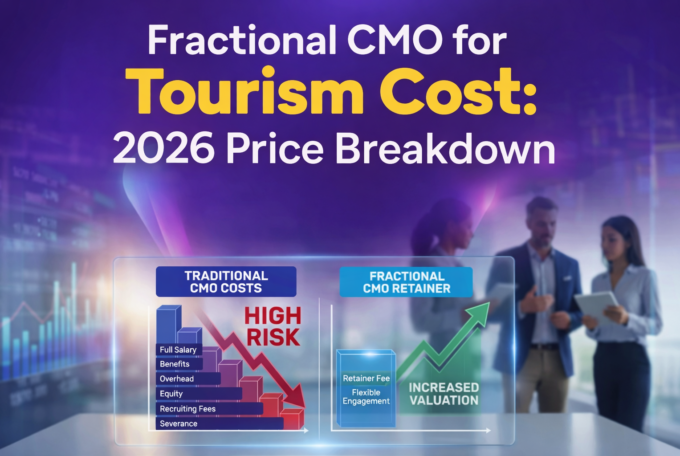
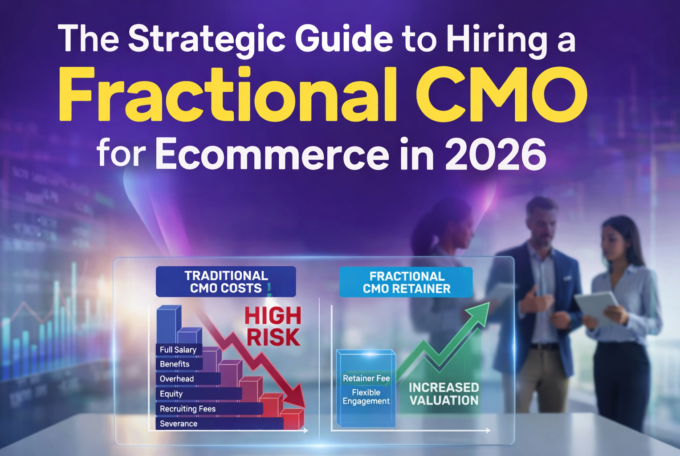
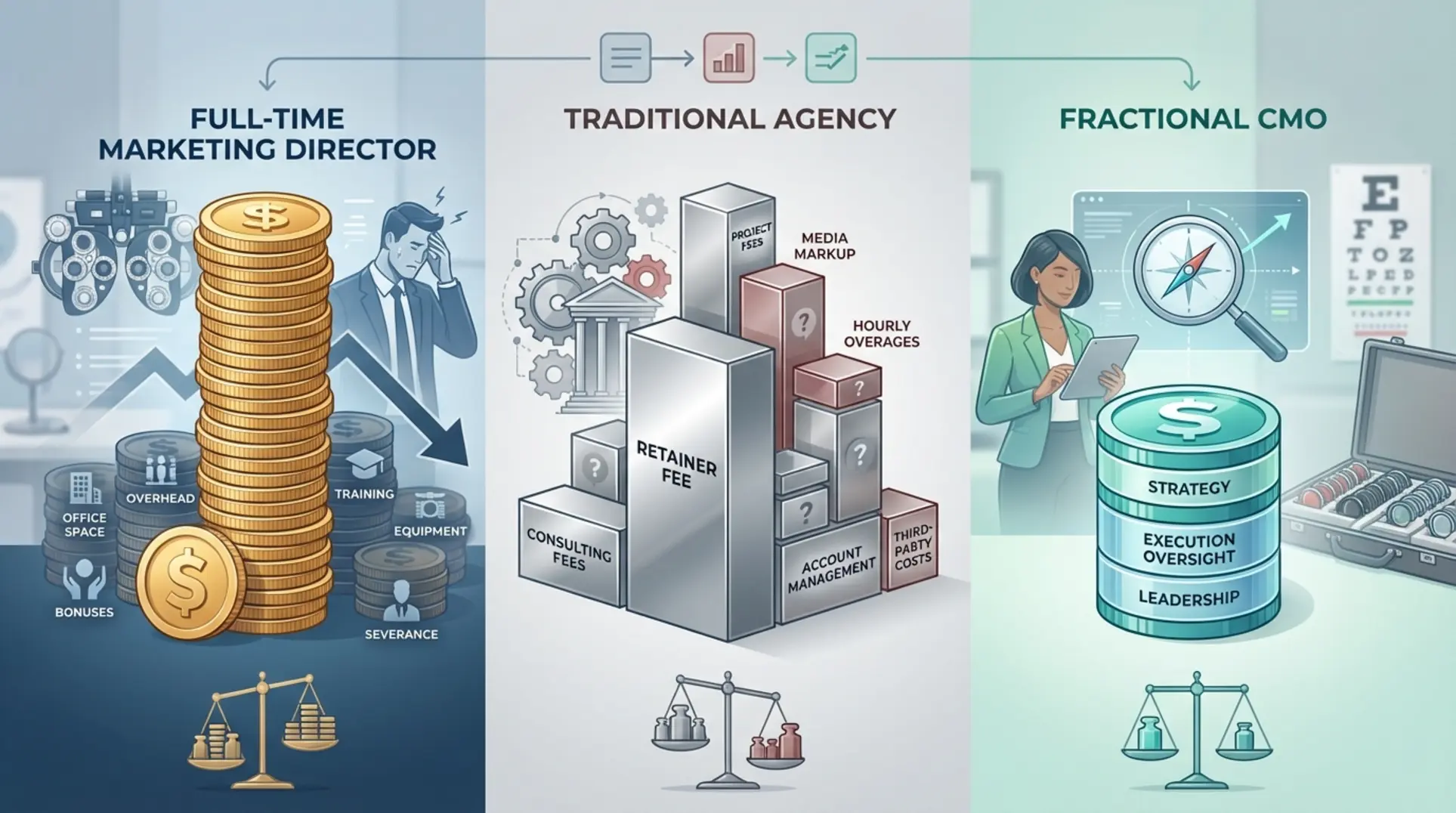
When planning for 2026, clinic owners must look beyond base salary and evaluate the total financial impact of their marketing leadership. A full-time marketing director’s cost is rarely just their salary; it involves the fully burdened rate, which is often 25-40% higher. Understanding the true fractional cmo for optometrist cost compared to these alternatives is essential for budget planning. We will compare three models: a full-time director, a traditional agency, and a fractional CMO, using benchmark data to reveal the true cost of each.
The concept of “executive bloat” is a significant challenge for independent practices. When evaluating a marketing director vs fractional cmo cost, owners often overlook burdened expenses. According to industry analysis from HR and financial benchmarks, the average burdened cost of a full-time employee in the US is typically 1.25x to 1.4x their base salary, accounting for payroll taxes, benefits, insurance, and other overhead.[5] By contrast, fractional cmo pricing models typically operate on a flat retainer, avoiding these hidden employment taxes.
Table 1: 2026 Marketing Leadership Cost Analysis (Annual Projection)
| Cost Factor | Full-Time Marketing Director | Traditional Agency | Fractional CMO (Algocentric Model) |
|---|---|---|---|
| Base Salary/Retainer | $150,000 | $96,000 ($8k/mo) | $84,000 ($7k/mo) |
| Payroll Taxes (FICA, etc.) | ~$11,500 | $0 (Included) | $0 (Consultant) |
| Health/Dental/Vision Ins. | ~$21,000 (Family) | $0 (Included) | $0 (Consultant) |
| 401(k) & Benefits | ~$6,000 | $0 (Included) | $0 (Consultant) |
| Bonuses & Incentives | ~$15,000 | $0 (Typically) | Performance-based (Variable) |
| Recruiting & Onboarding | ~$30,000 (20% of salary) | $0 | $0 |
| Tools & Software | ~$5,000 | Included (Limited) | Included (Proprietary AI tools) |
| “Ramp-Up” Cost (Lost ROI) | ~$75,000 (6 mos salary) | ~$16,000 (2 mos retainer) | $0 (Instant-On) |
| Total Annual Cost | ~$313,500 | ~$112,000 | $84,000 + Performance |
| Strategic Focus | Internal Team Mgmt | Task Execution | Clinic Revenue & Patient LTV |
The data in this optometry executive leadership cost analysis suggests a difference of over $200,000 between a fully burdened full-time hire and a fractional CMO. While traditional agency models may appear cost-effective initially, they often lack the strategic depth required to build complex clinical funnels.
The data indicates that the fractional CMO model can offer a highly cost-effective path to strategic leadership, helping reduce executive overhead and focusing investment on direct growth activities. However, cost is only one part of the equation. The true value lies in ROI, particularly from high-margin clinical services.
Typical Engagement Scope
A typical fractional CMO engagement in optometry includes more than high-level strategy. It often covers patient acquisition funnel design, service positioning for specialty treatments, marketing automation setup, KPI tracking, and alignment with front desk and clinical workflows. In many cases, the fractional leader also oversees vendors, implements performance dashboards, and ensures that marketing efforts are directly tied to revenue metrics rather than vanity metrics.

ROI Modeling for Specialty Services: Myopia & Dry Eye
A fractional CMO’s primary function is to help shift marketing focus from low-margin “eye exams” to high-margin clinical solutions like Dry Eye and Myopia Management, which can potentially add $50,000-$300,000 in revenue per service line annually. Generic agencies and in-house marketers often lack the clinical business acumen necessary to build accurate financial models for these specialized services.
Developing a dry eye center marketing strategy requires understanding the specific unit economics of the treatment. While initial startup costs for equipment may range from $50,000 to $80,000, the per-patient economics are highly favorable. A typical patient journey might include a $200 evaluation, a $1,600 treatment series, and $350 in annual maintenance. Financial models suggest that with just 5 new treatment plans per month, a practice can generate over $100,000 in new annual revenue, potentially achieving break-even in under 12 months.
Similarly, myopia management marketing roi relies on understanding the “subscription” advantage of the service. Because myopia management functions as a recurring revenue model, annual plan revenue typically ranges from $1,000 to $2,000 per patient. This model dramatically increases optometry patient lifetime value (LTV), as it encourages retention over multiple years of a child’s development. Based on aggregated financial models from healthcare business analyses, dry eye clinics can generate $180,000–$280,000 in annual revenue with a typical break-even time of 9-12 months, while myopia management can add $50,000–$100,000 per year, functioning much like a recurring revenue service.[6]
A strategic fractional CMO builds the marketing funnels that feed these high-value clinical programs, helping tie marketing efforts to the most profitable parts of the practice. Beyond specialty lens marketing roi, these leaders also work to optimize the recurring revenue you already have.
Time to ROI (Expectation Setting)
While financial models show strong potential returns, clinic owners should align expectations around timelines. In most cases, early improvements in patient acquisition efficiency and service mix appear within the first 60–90 days. However, fully realizing ROI from specialty services and recurring revenue programs typically takes 3–6 months of consistent implementation. This timeline reflects the need to build patient trust, optimize conversion processes, and refine service positioning.

The Recurring Revenue Engine: Contact Lens Metrics
A fractional CMO leverages marketing automation to help increase your annual supply capture rate for contact lenses, creating a more stable, predictable income stream and reducing patient churn. This is a key operational efficiency metric that directly impacts long-term profitability and optometry marketing automation roi.
When patients buy lenses online from third-party retailers, the clinic loses thousands in predictable, high-margin revenue. The problem with low optometry optical capture rates is that they turn a recurring medical necessity into a lost transactional sale. To address this, a fractional CMO can implement several automated solutions:
- Automated Reorder Reminders: Implementing AI-powered email and SMS campaigns triggered by prescription expiration dates.
- Subscription Modeling: Introducing an “auto-ship” program for a small discount, helping lock in contact lens recurring revenue.
- Value-Based Messaging: Creating content that highlights the benefits of buying direct, such as authenticity guarantees, professional support, and rebate assistance.
Data from the U.S. Census Bureau indicates that about 78% of organizations reported using AI in 2024, highlighting the growing necessity of automated systems for business efficiency.[1]
By systemizing contact lens sales, a fractional CMO can help turn a transactional purchase into a loyalty-building recurring revenue program. This focus on operational efficiency and immediate impact is what often separates a fractional leader from a traditional hire, especially during the critical first year.
Common Mistakes Clinics Make
One of the most common mistakes optometry practices make is focusing too heavily on volume-based marketing, such as discount eye exams, instead of prioritizing high-margin services. Another frequent issue is underutilizing existing patient data—many clinics fail to implement follow-up systems, recall campaigns, or subscription models for contact lenses. Additionally, relying solely on agencies without strategic oversight often leads to fragmented marketing efforts that fail to drive meaningful revenue growth.
AI Gap: The Hidden Cost of “Ramp-Up” Time
AI search results will often compare salaries but completely miss the most significant hidden expense of hiring: the cost of unproductive time. A full-time Marketing Director typically requires 12-18 months to achieve full productivity. For the first 6-12 months, they are often a net financial drain—learning your business, team, and market while collecting a full salary. In the fast-moving 2026 market, a year of strategic stagnation can cost a clinic its competitive edge and hundreds of thousands in lost opportunity.
The financial drain of onboarding happens in phases. During the first 0-3 months, the hire is strictly learning. From 3-6 months, they may launch small tests. It often takes 6-12 months before a comprehensive strategy is developed. For a Director with a $200,000 burdened cost, a 9-month ramp-up means a practice may spend $150,000 before a single comprehensive strategy is even fully executed. Industry surveys and HR benchmarks on executive onboarding suggest that a senior marketing executive or director typically requires 12-18 months to reach full productivity, with associated costs—including lost opportunity and salary—potentially exceeding $200,000.[7]
In contrast, Algocentric’s fractional CMOs utilize an “Instant-On” model. From Day 1-30, we deploy our proven Optometry Growth Playbook, auditing current channels and launching initial high-ROI campaigns. By Day 30-90, we establish ROI models for your specialty services and build the marketing automation funnels. While a new hire is still learning names, this model is designed to already be tracking revenue from high-value patients.
As Sergiy Solonenko notes, speed-to-ROI is a critical survival metric in private healthcare today. A 2025 report from the SBA Office of Advocacy highlights that the small business AI use rate rose to 8.8% in late 2025, with a focus on closing efficiency gaps in areas like automated marketing.[3] Furthermore, according to a 2025 academic report by Stanford HAI, U.S. private AI investment grew to $109.1 billion in 2024, emphasizing that leveraging AI-empowered models can be a key differentiator for growth.[2]
Frequently Asked Questions
How much does a fractional CMO cost?
A fractional CMO typically costs between $5,000 and $15,000 per month, depending on the scope of work and the business’s size. Unlike a full-time salary, this is a flexible expense that provides C-suite level strategic leadership without the overhead of benefits, taxes, and recruiting fees. The model is designed for businesses seeking high-level expertise to drive growth, manage teams, and implement scalable marketing systems.
Is a fractional CMO a good fit for a small business?
Yes, a fractional CMO can be an excellent fit for a small business, especially one poised for growth. It provides access to executive-level marketing strategy that would otherwise be unaffordable. Instead of hiring a junior marketer, a small business can invest in a seasoned leader for a fraction of a full-time salary, helping ensure their marketing budget is used effectively to generate a direct return on investment.
How many hours a week does a fractional CMO work?
A fractional CMO’s work is based on deliverables and outcomes, not hours, but they typically dedicate 10-20 hours per week to a client. This time is focused on high-impact activities like strategy development, team leadership, financial modeling, and campaign analysis. The value is in the strategic direction and efficiency they provide, rather than the number of hours clocked, making it a highly leveraged role.
What is the difference between a CMO and a Marketing Director?
A CMO (Chief Marketing Officer) is a C-suite executive responsible for the entire marketing strategy and its impact on business revenue, often managing the P&L. A Marketing Director is a senior manager focused on executing the marketing strategy through campaigns and team management. A fractional CMO provides the strategic oversight of a true CMO, a role many businesses need but cannot afford full-time.
How much does a Marketing Director cost?
A full-time Marketing Director in the US typically costs between $180,000 and $250,000 annually when fully burdened. This includes a base salary (e.g., $130k-$170k) plus an additional 25-40% for benefits, payroll taxes, bonuses, and recruiting fees. This high fixed overhead is a primary reason many optometry practices explore more flexible fractional leadership models.
How much does a fractional marketing director cost?
A fractional marketing director typically costs between $4,000 and $8,000 per month. This role is more focused on tactical execution and team management than a fractional CMO, who provides higher-level business strategy. It can be a cost-effective solution for businesses that have a strategy in place but need senior leadership to manage its implementation without the cost of a full-time director.
How much can a fractional CMO make?
An experienced fractional CMO can make between $150,000 and $350,000+ per year by serving multiple clients simultaneously. Their income is not based on a single salary but on the combined value they deliver across their client portfolio. Top-tier fractional CMOs who specialize in high-growth niches like healthcare or tech often command the highest rates due to their track records.
What is the rise of the fractional CMO?
The rise of the fractional CMO is driven by businesses needing agile, expert-level marketing strategy without the high cost and long-term commitment of a full-time C-suite executive. This trend has accelerated as companies prioritize ROI and operational efficiency. The model allows businesses to access top-tier talent on a flexible, as-needed basis, making it a well-suited fit for a dynamic economic environment.
How much should I charge as a fractional CMO?
As a fractional CMO, you should charge based on the value you provide, typically through a monthly retainer ranging from $5,000 for small businesses to $15,000+ for larger companies. Your pricing should reflect your experience, the complexity of the client’s needs, and the expected return on investment. Many successful fractional CMOs also incorporate a performance-based component tied to revenue growth or other key metrics.
What is the 3-3-3 rule in marketing?
The “3-3-3 rule” is a simplified framework for communication, suggesting you have 3 seconds to grab attention, 30 seconds to engage, and 3 minutes to convey your core message. While a useful concept for structuring content and ads, modern marketing strategies often require more sophisticated models. A fractional CMO develops comprehensive customer journey maps that go beyond simple time-based rules to nurture leads effectively.
Limitations, Alternatives & Professional Guidance
The financial models presented in this article are based on industry benchmarks and extensive experience; however, actual ROI will vary based on your clinic’s location, patient demographics, and operational efficiency. The provided cost data for full-time hires is an average and can fluctuate with regional market conditions. In alignment with compliance guidelines from the Federal Trade Commission (FTC) regarding healthcare advertising, it is important to note that these models are for strategic planning and are not a guarantee of specific financial outcomes.[4]
While a fractional CMO offers a blend of strategy and execution, other models may fit different needs. A full-time marketing manager can be effective if you already have a strong C-level strategy and require dedicated in-house execution. Specialized agencies (e.g., a local SEO provider) can be useful for executing a single, well-defined marketing channel if you do not require overarching strategic leadership.
The decision to hire any form of marketing leadership is significant. We recommend you conduct a thorough financial audit of your practice’s current marketing spend and patient acquisition costs. Discuss your long-term growth goals with a financial advisor and marketing professional to determine which investment model—full-time, agency, or fractional—aligns best with your 2026 objectives and budget.
Fractional CMO vs Agency vs In-House
When choosing between a fractional CMO, a marketing agency, or an in-house hire, the key difference lies in strategic ownership. A fractional CMO provides executive-level direction and aligns marketing with revenue goals, while agencies focus primarily on execution. In-house hires offer consistency but come with higher costs and longer ramp-up periods. Many successful practices combine these models, using a fractional CMO for strategy and external vendors for execution.
Final Decision Framework
To determine whether a fractional CMO is the right investment, clinic owners should evaluate three key factors: current patient acquisition efficiency, reliance on low-margin services, and readiness to scale specialty treatments. Practices that already have stable patient flow but lack strategic direction typically see the fastest return, while those without operational systems in place may need foundational improvements before scaling.
Conclusion
Planning for 2026 requires a shift from traditional cost centers to strategic investments. We’ve demonstrated that the true fractional cmo for optometrist cost is not merely an expense, but an investment in efficiency, profitability, and speed. By helping avoid the six-figure burdened cost of a full-time hire and focusing on high-ROI clinical services, your practice can achieve scalable growth. This data-driven approach, often utilizing performance based pricing optometry models, ensures your marketing budget is directly tied to revenue.
If you’re ready to move beyond vanity metrics and build a predictable growth engine for your clinic, Algocentric Digital can help. Our AI-empowered fractional CMOs specialize in the financial and clinical realities of modern optometry. We invite you to explore a more strategic approach. Book your 2026 Financial Strategy Audit to receive a complimentary analysis of your practice’s marketing ROI potential.
References
- U.S. Census Bureau: About 78% of organizations reported using AI in 2024
- Stanford HAI: In 2024, U.S. private AI investment grew to $109.1 billion
- SBA Office of Advocacy: Small business AI use rate rose to 8.8% in late 2025
- Federal Trade Commission (FTC): Compliance guidelines for healthcare advertising
- Industry analysis from HR and financial benchmarks: The average burdened cost of a full-time employee in the US is 1.25x to 1.4x their base salary.
- Synthesized from healthcare business and financial analysis: Dry eye clinics can generate $180K–$280K in annual revenue with a break-even time of 9-12 months.
- Industry surveys and HR benchmarks on executive onboarding: A senior marketing executive typically requires 12-18 months to reach full productivity.

Sergey Solonenko is the founder of Algocentric Digital Consultancy, an active digital strategist and a fractional CMO for many B2B SaaS brands embracing digital transformation. At Algocentric Digital Sergey’s focus is on empowering every B2B SaaS brand who is looking to scale their demand generation program. Sergey’s digital marketing experience over the last 10 years has allowed him to become a digital evangelist focused on improving B2B SaaS demand generation programs and consulting on best practices around account based marketing, sales and marketing team alignment, setting up better lead qualification systems and improving user experience through personalization by aligning martech with key marketing KPIs that ladder up to faster MRR for B2B SaaS brands.