Most B2B marketers aim to excel in personalizing their strategies. Account based marketing now offers a way to achieve this goal effectively.
By targeting prospects, from the beginning of a campaign you can enhance your returns on investment.
This case study provides insights into ABM initiative. It equips readers with the tools needed to implement this account based marketing tactic and strengthen their brand.
What is Account Based Marketing (ABM)?
ABM represents a change, in marketing strategy that emphasizes targeting accounts than reaching a wide audience. Every potential customer is viewed as an entity allowing for customized approaches to address their needs and obstacles.
The core of account based marketing lies in nurturing connections with customers to align with the B2B company’s products and services through efforts between the sales and marketing team.
It focuses on providing tailored experiences that resonate with each prospects preferences.
By directing efforts toward a group of accounts ABM optimizes resource allocation while facilitating personalized strategies and communication, for each account.
This strategy relies on data driven campaigns tailored to engage the targeted users. It allows ABM marketer to implement an effective ABM initiative.
ABM Basics
In essence account based marketing revolves around crafting messages, for impact.
It uses marketing and sales approaches to boost interaction, with accounts. Treating each account as a market it assesses factors such as B2B company size, industry and revenue potential.
A successful ABM strategy comprises the following components:
- Defining the Ideal Customer Profile: ABM kicks off by pinpointing the customer to identify businesses.
- Crafting Personalized Messages: Tailored content and messaging are developed to resonate with the accounts.
- Embracing a Multi Channel Approach: ABM leverages email marketing, social media and various channels for outreach.
- Promoting Team Collaboration: Optimal results are achieved when teams collaborate effectively by sharing data and aligning goals.
Benefits of ABM
Implementing this strategy yields advantages for businesses. The primary benefits of adopting the ABM program include:
Increased Engagement
ABM allows companies to focus on leads with a probability of conversion.
By delivering tailored ABM marketing messages and experiences to these accounts the likelihood of conversion is enhanced.
By targeting decision makers and addressing their pain points ABM facilitates connections that build trust leading to conversion rates.
Enhanced Customer Retention
The approach emphasizes both acquiring customers and strengthening relationships, with existing accounts.
By establishing connections and offering solutions Account Based Marketing (ABM) cultivates customer loyalty. We take the time to understand their preferences and provide tailored recommendations to enhance customer satisfaction.
This results in a decrease, in customer turnover rates.
Higher ROI
One of the advantages of ABM is its capacity to optimize resources by focusing on a targeted group of leads.
This approach minimizes inefficiencies across channels. Emphasizes strategies that deliver tangible outcomes.
By avoiding messaging businesses can allocate their resources effectively reducing expenses and driving higher return on investment.
Teamwork Between Teams
ABM also fosters collaboration between sales and marketing team encouraging support between the two departments.
Through ABM practices teams collaborate in identifying engaging with and nurturing client accounts. Together they develop account based marketing tactic that ensures messaging across all touchpoints.
This collaborative method enhances efficiency. It enhances the customer experience by providing prospects with a cohesive and personalized journey from initial contact, to conversion.
Implementing ABM ensures that your digital marketing and sales endeavors have an impact tailored to the needs of each potential client.
By paying attention to nuances fostering relationships you can facilitate business growth over time.
Starting with Account Based Marketing (ABM)

Transitioning to this method involves moving from traditional marketing, towards the B2B approach.
ABM focuses your sales and marketing endeavors on a segment of existing clients.
To implement this strategy companies need to:
- Invest in research tools and customer relationship management (CRM) systems for data collection and analysis.
- Ensure alignment between sales and digital marketing teams to work together towards goals and messaging.
- Prioritize users based on their revenue potential, significance or likelihood of conversion.
- Create tailored strategies that resonate with each prospect avoiding approaches for mass sales.
Profiling Your Target Audience
The core of ABM lies in understanding the audience.
This knowledge helps in crafting marketing strategies. To profile your leads you must:
- Utilize historical data analysis to identify accounts.
- Use market research to comprehend the challenges and opportunities within the sectors.
- Engage in surveys, with clients to understand why they chose your product and how it benefited their businesses.
Identifying Potential Customers
After analyzing the target market the process of identifying customers becomes more organized and strategic. To identify these customers you need to:
- Compare your Ideal Customer Profile (ICP), with market insights to compile a targeted list of accounts.
- Use technology to evaluate and prioritize accounts based on their likelihood of converting.
- Take an approach to engage with these accounts and align with their buyers journey.
- Create a feedback loop between sales and marketing teams to improve your account based marketing strategy over time.
By following these steps and leveraging insights from each interaction businesses establish a foundation for Account Based Marketing (ABM).
Crafting Your Account Based Marketing Strategy
Developing a strategy is essential for executing a B2B marketing campaign. It involves understanding of your target accounts and collaboration between sales and marketing teams.
Aim for teamwork where every interaction, with your audience feels personalized to their needs and challenges.
ABM is not a one off campaign: it’s a marketing effort that delivers results gradually over time.
Setting Objectives
To begin it’s crucial to define goals that align with your business objectives.
Common ABM objectives include increasing conversion rates shortening the sales cycle and boosting revenue from clients.
Other goals may focus on improving personalized experience and engagement.
Ensure all uncertainties are removed by establishing SMART objectives: Specific, Measurable, Achievable, Relevant and Time Bound.
This approach guides your plan. Sets benchmarks, for achievement.
Examining Pertinent Accounts
The identification and examination of accounts are vital for the triumph of your ABM strategy. We carefully choose these accounts through a process.
We evaluate audience data to identify leads with revenue potential.
Your marketing automation play a role in this procedure. They provide insights into companies that align with your user profile.
Segment users into categories for customized interactions and increased engagement.
Developing Compelling Content
At the heart of ABM is crafting content that caters to the requirements and challenges of each target account.
Create related posts that resonate with the roles and departments you are concentrating on within these organizations.
Produce content like case studies, whitepapers and industry reports. These pieces need to connect with their business objectives and hurdles to have an impact.
Creating personalized experience requires collaboration between content creators and the each ABM marketer to ensure messaging.
Choosing Suitable Engagement Channels
Interact with your accounts on ABM platform where they’re most active and engaged. Utilize LinkedIn, for B2B communications send emails for a lasting impression. Utilize a website contact form.
Utilize a channel strategy to expand your reach strategically and consistently. Keep an eye on response rates and engagement levels to enhance your approach and concentrate on channels.
By incorporating these methods along with planning your Account Based Marketing (ABM) initiative will connect with your clients and drive significant business growth.
Executing Your ABM Campaign
Implementing an ABM strategy can be challenging.
Breaking it down into steps simplifies the process. This allows sales and marketing teams to work together on a series of targeted campaigns for your clients.
The first step involves aligning the marketing and sales departments and introducing chat functionality for communication.
Dedicate time to identifying companies that fit your ideal client profile and organizing them into tiers. It is essential for team members to collaborate through meetings sharing insights and monitoring progress in engaging with clients.
Crafting Personalized Messages for Each Client
The essence of ABM lies in tailoring messages that resonate with the challenges and objectives of each individual recipient.
This requires an understanding of your leads, including industry trends, business objectives and internal challenges.
Customize your marketing messages to align with the interests of stakeholders, within the organization addressing both executives and team members alike.
Maintain the voice of your company while tailoring your messages to align with the stories of each account.
Implementing Tailored Strategies
Tailored content and procedures play a role in the success of Account Based Marketing (ABM) strategies.
It extends beyond including a prospects name, in an email. The goal is to craft experiences and content that feel custom made.
Leverage data analysis to uncover insights into an account’s behavior, preferences and needs.
Subsequently utilize these findings to optimize touchpoints such as:
- Landing page
- Personalized email marketing
- Tailored content offerings (e books and webinars)
- Website content that adapts based on visitor interactions
Incorporating Direct Mail and Other Conventional Methods
ABM direct mail initiatives yield outcomes by offering a personalized touch that digital channels cannot replicate.
Utilize mailings to send industry gifts, books or handwritten notes that foster personal connections.
Offline events and face to face meetings serve as ABM tactics for initiating meaningful engagements, with valued clients.
When integrating these methods ensure they align with your strategies and enhance communication efforts.
Assessing and Analyzing Results
B2B marketers must continually evaluate the impact of their marketing endeavors over time.
Integrating Key Performance Indicators (KPIs) during the planning phase is essential.
To gauge ABM success analyze metrics such, as engagement rates, conversion percentages and revenue increases.
Utilize marketing automation tools to monitor and implement these metrics. Adjust your approach as needed to improve outcomes.
Conduct an evaluation to understand the impact of strategies. Evaluate the strategy to refine your techniques and stimulate growth.
In essence a successful ABM campaign necessitates planning, tailored procedures and varied outreach efforts.
It encompasses channels. Demands a commitment to ongoing metric assessment. By adhering to these guidelines B2B businesses foster connections with their clientele boosting their return on investment in marketing initiatives.
Aligning Sales and Marketing Teams

The success of ABM relies on the alignment between sales and marketing teams.
The primary objective of these departments is engaging with high value prospects and securing conversions. To achieve this goal:
- Develop an Ideal Customer Profile as a foundation.
- Identify accounts poised to benefit from your solutions.
- Establish goals and key performance indicators (KPIs) to ensure collaboration between sales and marketing teams is driven by motivation.
- Facilitate meetings for teams to exchange insights, tactics and feedback gained from client interactions.
- Integrate sales and marketing platforms for seamless data sharing, on client activities.
Basic Principles of Communication
When running an ABM campaign it’s essential to promote communication, between the sales and marketing teams.
This facilitates the sharing of insights and the implementation of practices.
Utilize technology tools to keep both teams updated on the progress with targeted clients.
Establish guidelines that specify when how and what information should be shared by teams at stages of the successful ABM campaign.
Enhancement and Optimization
To ensure the success of this approach it’s important to improve processes.
Set KPIs that’re in line with your business objectives and track them to assess the effectiveness of your ABM initiatives.
Analyze campaign data to identify patterns, successes and areas, for improvement. It’s crucial to use these findings to adjust strategies
Promote a culture of experimentation by testing messages, channels and approaches. This helps determine what resonates with leads.
By adhering to these methods B2B companies can strengthen their ABM strategies increasing their chances of engaging with and converting their target clients.
Tailoring Tailored Content

When engaging with high profile accounts it’s crucial to personalize your messaging and content. Adapt your communications based on users needs and challenges.
Here are some ideas, for crafting content for your Account Based Marketing (ABM) strategies:
Tailored Landing Page
Develop landing pages tailored to each important account addressing their specific challenges and offering solutions.
Illustrate how your product or service can support them in reaching their goals.
Include customized messages and visuals to make an impact and demonstrate your understanding of their needs.
Account Specific Success Stories
Craft case studies that showcase outcomes from clients. Relate these stories to your target market.
Highlight tangible results and accomplishments achieved through the use of your product. Stress how it addresses challenges and provides value.
By using real life examples you build trust with leads. Show how your offering impacts their business positively.
Personalized Videos
Create videos targeted at decision makers within your target accounts.
These videos should effectively communicate the benefits of your product demonstrating how it resolves issues and aids in achieving goals.
Use a captivating tone to engage viewers on a level. Personalized videos leave a lasting impression showcasing your commitment to meeting their needs.
Customized Infographics
Visual content is a tool for conveying information to users.
Develop custom infographics that highlight industry trends, statistics or data points relevant, to the accounts industry.This demonstrates your expertise in the field. Positions your company, as a trusted advisor.
Tailored Email Campaigns
Create customized email campaigns that address the challenges and pain points to each account.
Utilize personalized lines and email content that demonstrates an understanding of their needs.
Segment your email lists based on the personas within each account to ensure recipients receive information.
Establishing Authority through Content
Strengthen your brands reputation as an industry leader by producing high quality content.
Develop whitepapers, e books, case study, webinars or articles that address the challenges faced by your target clients.
This content should provide insights, practical advice and fresh perspectives to help readers overcome obstacles and achieve their goals.
By crafting content you show your target clients that you empathize with their perspective thereby enhancing your authority in the industry.
Implementing this strategy increases the likelihood of building connections with these prospects.
Tracking Campaign Performance
Evaluating the effectiveness of your Account Based Marketing (ABM) campaigns is crucial for refining strategies. Enhancing efforts.
Analyze metrics such, as views, downloads and shares to gauge the level of interest and engagement generated by your content.
This insight helps identify topics that resonate with your target audience and allows you to tune your content approach.
Engagement KPIs
Analyzing engagement metrics is essential, for evaluating the effectiveness of your thought leadership content.
By monitoring metrics such as views, downloads and shares you can understand how people engage with your content.
- Views
Keeping track of view counts provides insights into the popularity of your content. Higher view numbers indicate that your content is capturing attention and resonating with your target audience.
However it’s important to note that views alone may not reflect engagement. It’s necessary to consider other metrics to gain an understanding of your contents impact.
- Downloads
Monitoring the number of downloads indicates the level of interest from users who wish to engage with the content at a time.
This metric signifies audience interest in the information you are sharing for resources, like e books and whitepapers which encourage significant interaction.
- Shares
When your audience shares your content it signifies that they find it valuable enough to distribute to their followers.
Sharing extends the reach of your content. Has the potential to attract members of your audience. Observing shares helps identify topics that resonate with your audience guiding you in creating content.
Conversion Rates
Conversion rates play a role, in evaluating the effectiveness of your account based marketing strategies.
This metric indicates the percentage of visitors who take an action after engaging with your content, such as submitting a form signing up for a webinar or requesting a demo.
Monitoring conversion rates helps you gauge how well your content motivates your target accounts to take action.
A high conversion rate indicates that your content resonates with your audience and encourages them to move along the sales funnel. To boost your conversion rates consider implementing these strategies:
- Call to Action
Include an enticing call to action in your content to guide your audience towards the desired action. Place the CTA prominently and use language to prompt them to act.
- Personalized Landing Pages
Create personalized landing pages based on successful content that engaged your audience. This tailored approach enhances user experience. Increases conversion likelihood.
Customize the messaging, on these pages to address the challenges and goals of your target accounts.
- Forms
Simplify the form filling process by keeping forms short and only asking for information without being overly intrusive.
The concise and straightforward the format the higher the chances of converting leads.
Sales Pipeline
It is essential to establish and enhance your sales pipeline for B2B marketing strategies.
The pipeline serves as a framework that directs accounts through the sales process.
By monitoring its impact you can assess how your ABM efforts contribute to revenue generation.
Here are key strategies to boost your pipeline:
- Customize Content
Tailor your content to align with each phase of the buyer journey.
Create materials that address the challenges, needs and goals of your accounts at stages of their journey.
This method will assist in guiding them through the sales pipeline while keeping them engaged.
- Engagement Campaigns
Launch campaigns aimed at nurturing relationships, with your accounts over time.
Use personalized emails, webinars and tailored content to educate and engage them.
By providing insights and information you steer leads along their path.
- Collaboration with Sales Team
Work with your sales team to equip them with resources and insights.
Assist them in understanding when and how to interact with users. This collaboration, between marketing and sales ensures a progression through the sales pipeline.
- Start with Retargeting
Utilize targeted approaches such, as account based retargeting to stay on the radar of your accounts.
By displaying ads to potential customer, you enhance brand awareness highlight your selling points and increase conversion rates.
It beats any traditional marketing tactic by providing related posts to users.
- Develop Tailored Advertisements
Elevate your marketing efforts by creating ad campaigns specifically tailored to your target accounts.
Whether it’s through banners, social media promotions or sponsored posts customizing the message is crucial for attracting users.
Guide them through the sales funnel until they complete a purchase.
- Incorporate Triggers
Implement triggered ABM tactic to interact with your accounts at stages of their buying journey.
For example send an email or notification when an account explores pricing or product information on your site.
This demonstrates that you are attentive to their needs and capable of assisting them in making decisions.
Feedback from Customers
Customer feedback provides insights into the impact of your thought leadership content.
It showcases how your company influences customers during their decision making process.
By collecting feedback you understand what resonates with your audience. Can adjust your content strategy accordingly.
One effective method for gathering feedback is, through surveys.
Create a survey to evaluate the significance, practicality and influence of your expertise driven articles.
Provide choices to prompt individuals to share their opinions and recommendations. This input is valuable, for identifying areas to improve and discovering content ideas.
Another approach is to interview stakeholders from your client base.
Collect feedback. Inquire about how your articles have helped them tackle their issues. Utilize this information to understand the impact of your publications, on their decision making journey.
Successful Tactics for an ABM Campaign
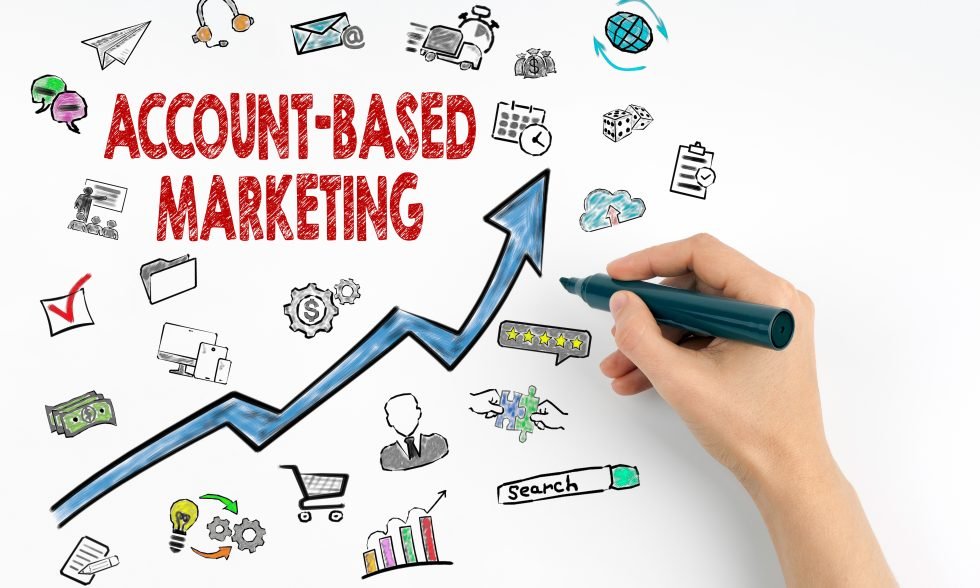
ABM combines marketing and sales tactics to connect with accounts. Below are pointers to boost the efficiency of your ABM strategy:
Identify Potential Customer
Start by identifying the target accounts as the step, in implementing an Account Based Marketing (ABM) strategy.
Collaborate with your sales team to outline the characteristics of your audience, such as company size, industry sector, revenue and geographical location.
Developing buyer personas within these targeted accounts can further enhance your focus.
Use Insights and Intent Data
The foundation of a strategic ABM approach lies in utilizing customer data and insights effectively.
Make use of a combination of data from sources like CRM systems and website analytics along with third party data to gain deeper understanding into your potential leads.
Intent data is vital for all account based marketing tactics, providing valuable insights into marketing campaign and customer experience.
This wealth of information enables you to tailor messages create personalized content and choose the communication channels for engagement.
Fostering Rapport Between Teams
A key aspect of ABM success is fostering collaboration between sales and inbound marketing teams.
Facilitate communication by establishing shared objectives and clearly defining responsibilities within each team.
Regular meetings and coordinated planning sessions play a role in ensuring alignment, between both teams as they work together towards goals.
Craft Tailored Content
It’s crucial to create content that directly addresses the challenges and issues faced by your target audience.
This involves tailoring messages according to industry trends presenting real life examples through case studies demonstrating how your solution can resolve problems and producing industry resources, like whitepapers or webinars.
The more personalized your content is to cater to the needs of your audience the more effective your marketing efforts will be.
Foster Relationships
Establishing connections with decision makers within your target accounts plays a pivotal role in Account Based Marketing (ABM).
Engage clients through personalized content, individualized emails and meaningful interactions.
Show empathy towards their obstacles. Use account based advertising and social media strategies to position yourself in their minds. Stay engaged with your prospects consistently.
Monitor Progress and Enhance
Make sure to monitor metrics, like engagement rates, conversion rates and revenue generation to evaluate how well your inbound marketing campaigns are performing.
Try out A/B testing messages and strategies to figure out what works effectively and then use these findings to enhance your strategic ABM ideas.
Leverage Technological Tools
There is an array of tools that can elevate your ABM efforts across various channels – from general ABM platform to social media management tools, SEO resources and PPC software solutions.
Identify the ABM program that align with your specific ABM ideas, for streamlined workflows.
If a tool isn’t functioning as expected consider swapping it out for an one.
Utilize these ABM concepts to maximize your ABM marketing effort. Implement these strategies to interact with accounts enhance content marketing and guarantee the success of your ABM approach.


Sergiy Solonenko is the founder of Algocentric Digital Consultancy, a seasoned digital strategist, and a fractional CMO for B2B SaaS brands undergoing digital transformation. With over a decade of experience, he specializes in scaling demand-generation programs, optimizing account-based marketing, and aligning sales and marketing teams. Sergiy helps B2B SaaS companies enhance lead qualification, improve user experience through personalization, and leverage Martech to accelerate MRR growth.