🎯 Quick Answer
For law firms, the fractional CMO cost for law firms in 2026 typically ranges from $5,000 to $15,000 per month for a retainer, or $200 to $500 per hour for project-based work.
- This model provides C-level strategic leadership for a fraction of a full-time $347,000+ CMO salary.
- Performance-based models are possible but must be structured to comply with legal ethics rules on fee-splitting.
- The key ROI metric for partners is the “Billable Hour Recovery,” which accounts for partner time saved on marketing.
Continue reading for a detailed breakdown of pricing models, ROI calculations, and ethical guidelines for boutique law firms.
In the 2026 legal landscape, the pressure to grow billable hours is higher than ever, yet partners are increasingly bogged down by complex marketing decisions. The traditional solution—hiring a full-time marketing director—is becoming financially unviable for many boutique and mid-sized firms. This guide directly addresses the critical question of how to access executive-level marketing strategy without the exorbitant overhead of a full-time hire.
We will provide a comprehensive breakdown of the fractional CMO cost for law firms, comparing different pricing models (retainer, hourly, project-based) with hard data. More importantly, we’ll introduce a law-firm-specific ROI formula and navigate the ethical complexities of performance-based marketing to help you make a data-driven decision for your firm’s 2026 budget. According to the 2025 AI Index Report by Stanford HAI, 78% of organizations reported using AI in 2024, highlighting the urgent need for specialized leadership to navigate these technological shifts.
ℹ️ Transparency: This article explores fractional CMO pricing for law firms based on market data and professional experience. All information is verified and reviewed by Sergiy Solonenko. Our goal is accurate, helpful information to guide your firm’s strategic decisions.

2026 Fractional CMO Pricing Models for Law Firms
Fractional CMOs for law firms typically structure their fees in three primary models: monthly retainers, hourly rates, and fixed project-based fees. The right model depends on your firm’s immediate needs, long-term growth goals, and budget. Understanding the fractional CMO cost for law firms requires analyzing the specific deliverables associated with each tier.
Monthly Retainer Model ($5,000 – $15,000/month)
This model includes ongoing strategic leadership, team management, reporting, and planning. It is generally best suited for firms needing consistent, high-level marketing direction and oversight.
Table 1: Sample Retainer Tiers
| Tier | Price/Month | Typical Hours | Scope |
|---|---|---|---|
| Strategic Advisory | $5,000 – $7,000 | ~20-30 | High-level strategy, board-level guidance |
| Leadership & Management | $8,000 – $12,000 | ~40-60 | Strategy plus team/agency management |
| Executive Partnership | $12,000 – $15,000+ | ~60-80 | Deep integration, hands-on execution leadership |
Hourly Rate Model ($200 – $500/hour)
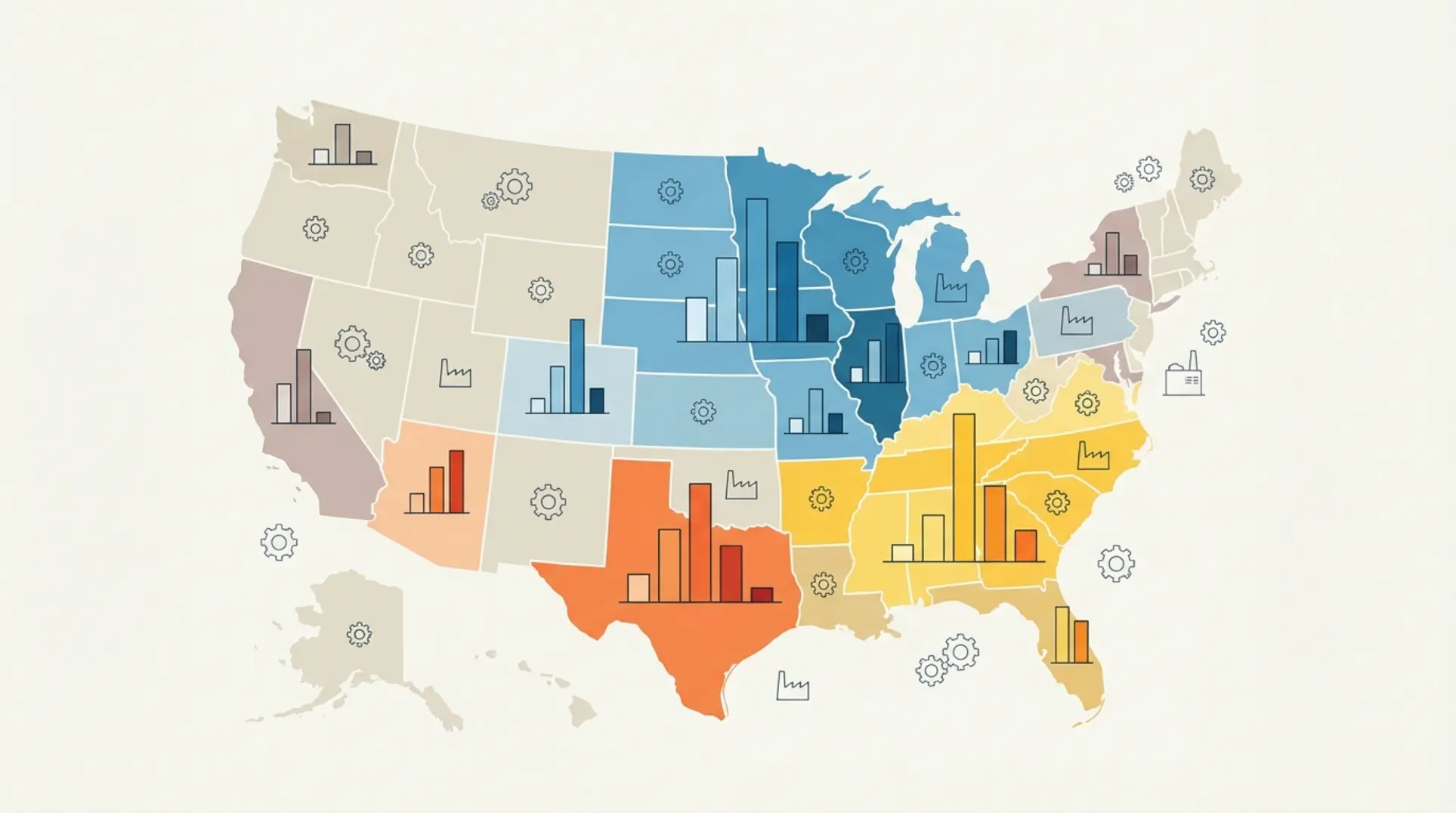
The hourly rate model covers specific, time-bound tasks like marketing audits, strategy workshops, or campaign setup. This approach is often effective for firms with a well-defined, short-term project or those needing expert consultation on a specific problem. Note that rates in high-competition markets like San Francisco and New York may trend towards the higher end of this range ($350-$500/hour) due to increased demand and cost of living.
Project-Based Fees (Varies)
Project-based fees involve a fixed price for a specific deliverable, such as developing a 12-month marketing plan or overhauling a firm’s website strategy. This is frequently a preferred choice for firms with a clear, one-time objective and budget.
In summary, retainers are typically best for growth-focused firms requiring long-term guidance, while hourly models suit specific, tactical needs. The next logical question for partners is how these costs compare to the traditional route of hiring a full-time employee.
Fractional CMO vs. Full-Time Marketing Director: 2026 Cost Comparison
While a fractional CMO retainer may seem significant, it represents a substantial saving when compared to the fully-loaded cost of a full-time marketing director, especially in 2026.
Most sources provide salary data but fail to account for post-2025 inflationary adjustments and the comprehensive costs of an executive employee. As of October 2025, the Pew Research Center found that 21% of U.S. workers report using AI in their jobs. As this number grows, the strategic management of AI tools becomes a C-level responsibility, further driving up the compensation requirements for qualified full-time directors.
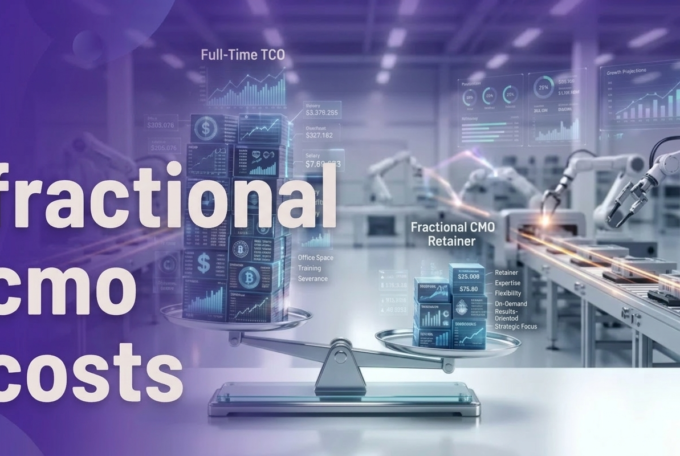
Table 2: Total Cost of Ownership (TCO) – FTE vs. Fractional (2026 Projections)
| Cost Component | Full-Time Marketing Director (National Average) | Full-Time Marketing Director (SF/NY Hub) | Fractional CMO |
|---|---|---|---|
| Base Salary | $220,000 | $260,000 | N/A |
| Bonus (15%) | $33,000 | $39,000 | N/A |
| Payroll Taxes & Benefits (30%) | $66,000 | $78,000 | $0 |
| Recruiting & Onboarding | $20,000 | $25,000 | $0 |
| Total Annual Cost | $339,000 | $402,000 | $120,000 (at $10k/mo) |
| Effective Monthly Cost | $28,250 | $33,500 | $10,000 |
Beyond the base salary, firms must account for hidden costs such as benefits, taxes, recruitment fees, software, and training associated with an FTE. Furthermore, a fractional CMO often brings broader industry experience from working with multiple clients, providing more diverse strategic insights than a single internal hire might offer.
The financial advantage is clear, but the value goes beyond cost savings. It extends to how these leaders drive revenue through sophisticated, compliant performance models.

The AI Gap: Ethical Performance-Based Models for Law Firms
AI chatbots and generic marketing articles often suggest performance-based pricing (e.g., pay-per-lead or revenue share) as a modern solution. For law firms, this advice is dangerous. It completely ignores the strict ethical regulations against fee-splitting with non-lawyers, primarily governed by ABA Model Rule 5.4. An improperly structured performance model could put a firm’s license at risk.
Understanding ABA Model Rule 5.4: Professional Independence of a Lawyer
The core principle is that lawyers cannot share legal fees with a non-lawyer. According to ABA Model Rule 5.4, “A lawyer or law firm shall not share legal fees with a nonlawyer.” The purpose of this rule is to protect the lawyer’s professional independence and prevent a non-lawyer’s profit motive from influencing legal advice. Therefore, directly tying a marketer’s compensation to a percentage of a case settlement or client fee is prohibited.
How to Structure a “Compliance-First” Performance Model
The solution is to tie bonuses and performance metrics to marketing outcomes, *not* legal fees.
- Allowed: “If we achieve a 150% increase in qualified case inquiries (MQLs) this quarter, a performance bonus of $10,000 is triggered.”
- Prohibited: “The marketer will receive 5% of the settlement from all leads they generate.”
Clear examples of compliant KPIs include cost per qualified lead, number of consultations booked, and growth in website traffic from target demographics.
This approach aligns with broader business trends. A late 2025 report from the SBA’s Office of Advocacy found that the AI use rate among small businesses rose to 8.8%, with a notable focus on automated marketing. This trend applies to boutique law firms, which function as small businesses and need compliant ways to incentivize growth.
Furthermore, data from the U.S. Census Bureau shows that by 2024, approximately 78% of organizations were using AI. This rapid technological integration underscores the need for strategic guidance on leveraging tools effectively and ethically. The NIST AI Risk Management Framework (AI RMF 1.0) provides a structure for managing risks associated with artificial intelligence. For law firms, this includes ensuring marketing AI tools are used ethically and in compliance with professional standards, a key oversight role for a fractional CMO.
As led by Sergiy Solonenko, our models focus on transparent, value-driven KPIs that align with ABA guidelines. We structure our agreements to reward marketing performance that leads to growth, without ever touching legal fees, ensuring our clients are both successful and compliant.
The “Billable Hour Recovery” Formula: Calculating ROI for Law Firm Partners
Generic ROI formulas like (Gain from Investment - Cost of Investment) / Cost of Investment are inadequate for law firms. They fail to quantify the single most valuable asset: a partner’s time. We propose the “Billable Hour Recovery” formula, which frames the investment around reclaiming a partner’s time to focus on high-value legal work.
The Formula
ROI = (Value of Partner Hours Saved + New Case Value Generated - Fractional CMO Cost) / Fractional CMO Cost
How to Calculate Each Component
- Value of Partner Hours Saved:
(Hours per week partner spends on marketing) x (Partner's average billable rate) x (4 weeks)
*Example:* 5 hours/week * $600/hour * 4 weeks = $12,000/month in recovered time value.
- New Case Value Generated:
(Number of new cases from marketing) x (Average value per case)
- Fractional CMO Cost:
The monthly retainer fee (e.g., $10,000).
Putting It All Together: A Practical Example
Let’s take a boutique personal injury firm. The managing partner spends 10 hours a month on marketing chaos, billing at $500/hour ($5,000 value). The fractional CMO costs $8,000/month. The CMO’s strategy generates one new case worth $15,000.
ROI = ($5,000 + $15,000 - $8,000) / $8,000
ROI = $12,000 / $8,000
ROI = 1.5 (or 150% Return on Investment)
This formula shifts the perspective from marketing being a “cost center” to a “revenue and efficiency driver.”
Frequently Asked Questions
How much does a fractional CMO cost for a law firm in 2026?
The fractional CMO cost for law firms in 2026 typically ranges between $5,000 and $15,000 per month on a retainer basis. For specific projects or consultations, hourly rates range from $200 to $500. The final cost depends on the scope of work, the firm’s size, and the level of strategic involvement required. This model provides executive leadership at a fraction of a full-time hire’s cost.
Is a fractional CMO worth it for a boutique law firm?
Yes, a fractional CMO is often highly worth it for a boutique law firm. It provides access to C-level marketing strategy and leadership without the $300,000+ annual cost of a full-time executive. This allows the firm to compete with larger players, implement sophisticated growth strategies, and free up partners’ time to focus on billable work, delivering a strong ROI through both efficiency gains and new client acquisition.
What is the hourly rate for a legal marketing consultant?
The typical hourly rate for a legal marketing consultant in 2026 is between $200 and $500. Rates at the lower end ($200-$300) are common for generalist consultants, while senior fractional CMOs with specialized legal industry expertise often command rates at the higher end ($350-$500), especially in major legal markets like New York or California.
How do I calculate the ROI of a fractional CMO?
To calculate the ROI for a law firm, use the “Billable Hour Recovery” formula. This is calculated as (Value of Partner Hours Saved + New Case Value - CMO Cost) / CMO Cost. The key is to quantify the value of the partner’s time that is freed up from marketing tasks and can be rededicated to billable legal work, in addition to the value of new cases generated.
Fractional CMO vs. Marketing Agency: Which is better for lawyers?
A fractional CMO is generally better for law firms needing strategic leadership, while an agency is better for tactical execution. A fractional CMO acts as your marketing director, setting the strategy, managing budgets, and overseeing any teams or agencies. If your firm lacks a high-level marketing plan and leadership, start with a fractional CMO. If you have a strategy but need hands-on help, read more about Fractional CMO vs Agency for SaaS Marketing to understand the tactical differences.
What is the average salary of a Law Firm Marketing Director?
The average salary for a Law Firm Marketing Director in the U.S. in 2026 is projected to be between $180,000 and $250,000. However, the total cost to the firm is much higher. Once bonuses, benefits, payroll taxes, and recruiting fees are included, the fully-loaded annual cost typically exceeds $340,000, making a fractional CMO a more cost-effective alternative.
How much should a law firm spend on marketing in 2026?
Most law firms should spend between 5% and 15% of their gross revenue on marketing in 2026. Firms in a high-growth phase or competitive markets (like personal injury) should aim for the 10-15% range. More established firms with strong referral networks may spend closer to 5-7%. This budget should cover all costs, including leadership, advertising, and technology.
Can fractional CMOs work on a performance-based model in legal?
Yes, but it must be structured carefully to comply with legal ethics. Fractional CMOs cannot take a percentage of legal fees, as this violates ABA Model Rule 5.4 on fee-splitting. However, performance bonuses can be tied to marketing metrics like the number of qualified leads generated, consultations booked, or achieving a target cost-per-acquisition, which is a compliant and effective approach.
What is the 80/20 rule for law firm marketing?
The 80/20 rule in law firm marketing suggests that 80% of your new business comes from 20% of your marketing activities. For most firms, this “20%” includes cultivating referral relationships with other professionals and delivering exceptional client service that leads to word-of-mouth referrals. The goal of a good marketing strategy is to identify and double down on that high-performing 20%.
How many hours a month does a fractional CMO work for a law firm?
A fractional CMO typically works between 20 to 80 hours per month for a law firm. A common engagement is around 40-60 hours per month (10-15 hours per week), which is sufficient for strategic planning, team management, and performance analysis. Lighter advisory roles may be 20 hours, while more intensive, hands-on engagements can be 80 hours or more.
Limitations, Alternatives & Professional Guidance
While the data presented here reflects current market averages, it is important to acknowledge that pricing can fluctuate based on geography, the CMO’s specific experience, and the firm’s unique needs. Salary projections are estimates based on 2026 trends and may be subject to economic changes.
For firms not yet ready for a fractional CMO, alternatives exist. Some firms may opt to hire a mid-level marketing manager and supplement their work with specialized agencies, or empower an internal partner with a budget for freelance support. However, it is worth noting that these alternatives often lack the high-level strategic oversight and cross-industry experience that a fractional CMO provides.
Before engaging any marketing professional, law firm partners should consult their state bar association for any specific local rules regarding marketing and advertising ethics. This ensures any proposed compensation structure is fully compliant with local regulations.
Conclusion
In summary, the fractional CMO cost for law firms represents a strategic investment rather than a mere expense. For a retainer of $5,000 to $15,000 per month, firms gain access to executive leadership that would otherwise cost upwards of $340,000 annually. The true ROI is measured not just in new cases generated, but in the recovery of valuable partner time that can be redirected toward high-value legal work. While performance-based models are attractive, they must be structured ethically around marketing KPIs, not legal fees.
For law firms ready to implement a sophisticated, data-driven growth strategy in 2026, a fractional CMO can provide the necessary leadership. At Algocentric Digital, we specialize in creating compliant, outcome-based marketing frameworks tailored to the unique needs of the legal industry. To explore how this model can work for your firm, consider scheduling a consultation with our team.
For law firms ready to implement a sophisticated, data-driven growth strategy in 2026, a fractional CMO can provide the necessary leadership. If you’re evaluating whether this model fits your firm, explore our fractional cmo services to see how strategic leadership, AI-driven marketing systems, and performance accountability are structured for professional service firms.
References

Sergey Solonenko is the founder of Algocentric Digital Consultancy, an active digital strategist and a fractional CMO for many B2B SaaS brands embracing digital transformation. At Algocentric Digital Sergey’s focus is on empowering every B2B SaaS brand who is looking to scale their demand generation program. Sergey’s digital marketing experience over the last 10 years has allowed him to become a digital evangelist focused on improving B2B SaaS demand generation programs and consulting on best practices around account based marketing, sales and marketing team alignment, setting up better lead qualification systems and improving user experience through personalization by aligning martech with key marketing KPIs that ladder up to faster MRR for B2B SaaS brands.