
Imagine a scenario where your product naturally attracts customers without the need, for persuasion.
Picture gaining leads with investment. This is where a successful demand generation strategy comes into play.
It’s a marketing tactic aimed at increasing awareness and piquing interest in a companys offerings.
Algocentric Digital, versed in B2B practices, leverages B2B demand gen strategy daily to achieve outstanding results for clients and enhance their promotional campaigns.
Understanding what motivates your clients is key to dominating the market as the foundation of demand generation lies in meeting customers needs.
As we explore the realm of demand generation we will delve into its definition and its significance in marketing.
This case study will discuss proven strategies for capturing and nurturing customer interest unveiling the secrets to creating an image around your company.
What Does Demand Generation Involve?
Demand generation, also known as B2B demand gen, is a marketing and sales strategy that centers on raising awareness and fostering interest in a companys products or services—a tactic, for businesses of all sizes.
These tools are utilized by B2B marketers to enhance conversion rates and guide buyers through the marketing funnel to B2B transactions.
At Algocentric Digital we rely on a mix of content marketing, inbound marketing, social media engagement, account based marketing and other digital strategies.
Each of these methods plays a role in our day, to day operations. While they may seem distinct they work together seamlessly.
A well-defined strategy not only maximizes value for your business but also reduces costs significantly. It’s crucial to tailor your approach to align with the demands of your industry.
As part of demand generation efforts marketers craft types of content including whitepapers, blog posts, infographics, webinars and case studies.
These assets serve as the backbone of many demand gen strategy. They may occasionally be restricted access.
Sometimes users are prompted to provide their contact information when accessing content pieces as a way to capture leads effectively.
These tactics and strategies play a role, in shortening the sales cycle while boosting customer lifetime value and optimizing Cost Per Acquisition (CPA).
In a scenario implementing these approaches can lead to demand creation. However achieving this requires building a pipeline that supports these initiatives effectively.
Ultimately opting for the strategy offers advantages compared to traditional marketing methods. It enables a new breed of B2B marketers to achieve their end goal by leveraging content strategies and other contemporary marketing techniques.
The Importance of Generating Demand in Marketing

Demand generation plays a role in marketing by contributing to a company’s development. It. Engages customers, facilitating conversion.
By enhancing brand recognition and educating the market B2B demand generation establishes the foundation for business success. It also serves as the cornerstone of your marketing endeavors.
This is why it holds significance:
- Creates Opportunities: It fills up the sales pipeline with clients ensuring a stream of potential business prospects for the sales team.
- Acquires Customers: A successful demand generation strategy aim to lower the cost per acquisition and expedite the process of acquiring a prospective customer.
- Boosts Revenues: Through nurturing prospects demand generation enhances the buyers journey leading to increased profits, for the company through conversion rates.
- Enhances Awareness: Demand generation educates users about a companys offerings addresses their pain points and positions the company as an industry leader.
Your primary objective is to identify individuals and companies that can derive value from your products or services.
It’s crucial that they align with the customer profile and are optimal for demand capture.
Study the trends, within your customer base focusing on details like information, industry, company size and behavior.
These metrics help pinpoint leads. Use data analytics tools to segment the market and prioritize groups for inbound sales.
Ensure that the information provided is relevant, timely and tailored to suit your business needs. Integrate elements to enhance the buying experience.
Creating Buyer Personas
Developing buyer personas involves creating profiles of your prospective customer.
These personas are crafted based on data insights that reflect your target audiences characteristics.
By analyzing a variety of data related to customer demographics, behaviors, motivations and goals you can identify prospects.
Understanding these elements allows you to tailor your marketing strategies accordingly and address the needs and challenges faced by segments of your audience.
For instance if you’re selling dog food in the US market it’s essential to focus on this demographic.
Another advantage of utilizing audience tools is gaining insights, into your target market which enhances campaign focus.
When developing these personas gather data by conducting surveys, interviews and engaging with your sales team.
Every piece of information you gather plays a role, in shaping your strategy.
It’s essential to be meticulous in their creation as any mistake can impact your line. The last thing you want is to miss the mark.
Mapping the Customer Journey
Outlining the customer journey involves detailing stages that illustrate the path a potential customer takes before making a purchase.
Typically it begins with an interaction like reading a blog post or seeing an ad. This is followed by reaching out to the prospect via email.
A successful customer journey culminates in website conversion. Potentially securing long term value through demand generation effort.
Understanding how users make decisions is key to B2B demand generation marketing. This roadmap encompasses stages such, as awareness, consideration, decision making and post purchase behavior.
Acknowledge that each individuals journey is distinct requiring tailored content and interactions. Develop pathways for users to guide them towards completing a purchase.
Building a Sales Team

Creating a sales team is vital, for any business looking to grow its customer base and increase profits.
The sales team acts as the bridge connecting your companys products or services with customers. These team members identify customer needs and offer solutions.
In todays business environment it’s not about having employees. It’s important that your team knows how to engage customers effectively.
It is essential to form a team that’s skilled, driven and in line with your business goals. Hiring individuals who can meet market demands and achieve sales targets is crucial.
Key components of developing such a team include implementing recruitment and training procedures.
Setting objectives and standards for fostering teamwork culture is imperative.
Take the time to assemble talent. Look for professionals with industry experience who bring expertise to the table.
Recruiting and Training Sales Representatives
Recruiting and training sales representatives play a role in building a sales team.
When recruiting aim to find candidates with sales background. It’s also important to select individuals who resonate with your companys values and beliefs.
An ideal sales representative should excel in communication skills. Additionally, having resilience and the ability to understand and address customer requirements are qualities.
Ongoing training is essential, for the success of the sales team.
To ensure your teams success, in converting leads to customers it’s essential to equip employees with the industry knowledge, tools and strategies.
Having driven individuals on board who aim for excellence can greatly benefit your demand generation effort.
- A well-rounded training program should include elements:
- Providing product knowledge sessions to keep sales agents informed about their offerings.
- Offering sales process training to establish conversion methods.
- Engaging in role playing activities to refine objection handling skills and closing techniques.
- Providing guidance on utilizing Customer Relationship Management (CRM) tools.
It’s crucial for your team members to track interactions and nurture relationships with customers throughout the sales funnel.
Each user is valuable in B2B demand generation marketing so tailoring offerings to meet their needs is key.
Setting Sales Objectives
Setting sales objectives and identifying target goals for your sales team is important for measuring progress and achieving results.
Aligning goals with the SMART principle (Specific, Measurable, Achievable, Relevant, Time Bound) can help drive motivation and sustained advancement.
Categorize goals into short term and long term objectives. A practical way to establish these goals could include:
- Reviewing past sales data as a benchmark.
- Taking market conditions, into account when setting objectives.
- Aligning sales targets with business objectives.
- Breaking down goals into monthly milestones.
- Pursue diverse aims throughout a marketing campaign.
Ensure your team comprehends their responsibilities. Empower your staff to generate leads and close deals.
Collaboration Among Sales Teams
Teamwork is crucial for the success of your initiatives. It’s essential for your sales and marketing departments to be in sync for results.
Teamwork is crucial for the success of your initiatives.
Employees should feel like parts of a mechanism. They must collaborate for the good.
Promote a culture of sharing information and strategizing. This leads to teamwork and enhanced company performance.
Organize meetings. Participate in team building activities. Make use of software tools to enhance team dynamics.
To enhance the effectiveness of your teams implement these strategies:
- Hold team meetings for planning celebrating achievements and identifying areas, for improvement.
- Arrange workshops across departments with the marketing team to make sure everyone is, on the page regarding lead generation strategies and messaging.
- Utilize team platforms for sharing documents, sales guides and quick communication.
- Encourage an open door policy from leadership to foster feedback exchange and idea sharing within the team.
There are methods you can employ to promote collaboration. Establish teams where employees collaborate harmoniously to achieve shared objectives.
Key Components of a Demand Generation Campaign
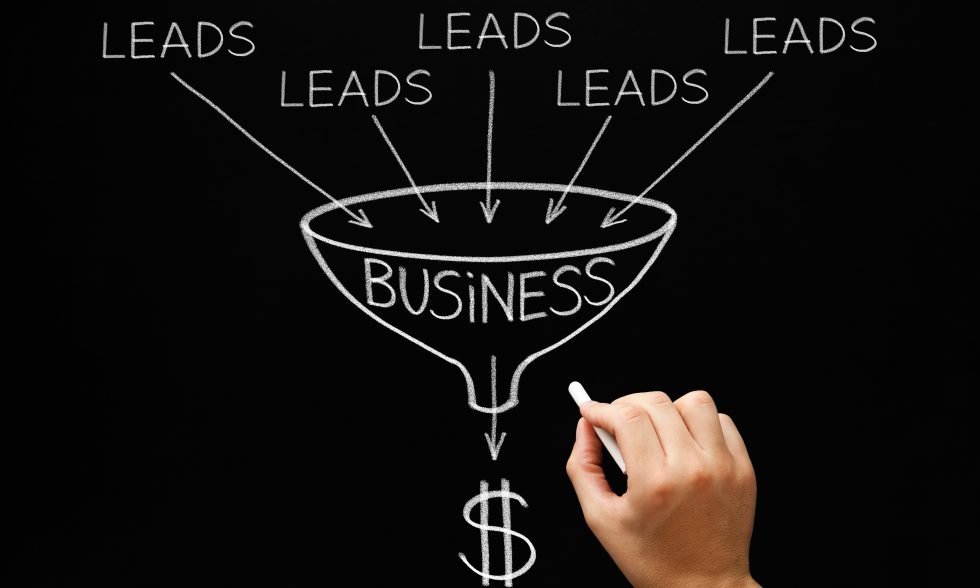
A demand generation campaign is designed to boost awareness and interest in a companys products or services.
It entails a blend of marketing and sales tactics to build connections with customers guiding them towards making purchases.
Here are some critical factors that contribute to the success of these campaigns:
- Understand Customer Personas: Gain insights into your target audience by studying their needs, preferences and purchasing behaviors.
- Produce High Quality Content: Share content that educates and engages customers at every stage of their buying journey.
- Leverage Multiple Channels: Engage with buyers, through media platforms and email marketing channels where they are most active.
- Evaluate Leads: Identify and prioritize users based on their engagement levels. Take steps to concentrate on users who are nearing a purchase.
- Coordinate Marketing and Sales Teams: Ensure both teams are aligned in their goals. Develop communication strategies and approaches to guide prospects, from the marketing phase to the sales phase.
- Analysis: Monitor campaign performance to fine tune strategies and tactics for returns on investment. Decrease client acquisition costs.
- Nurture Relationships Over Time: Stay in touch with buyers. Utilize follow. Information to establish trust and keep your brand top of mind.
Your team should find ways to connect with prospects effectively and establish relationships.
They should concentrate on engaging with a group of high quality users who’re close to converting into customers.
Find an ideal potential customer for your lead gen.
With the right demand generation tactic, you can boost marketing effort for social media, search engine optimization, product marketing, and other demand generation activities.
Generating High Quality Leads
To guarantee the success of a demand generation campaign it is crucial to attract high quality leads. Focus on accounts that show potential for conversion into paying customers.
Here are some methods, for ensuring success:
- Thoughtful Content Creation: Develop articles that address the needs of users effectively. Tailor content to resonate with your target audience and grab their attention.
- Unique Content: Provide papers, e books and webinars as valuable resources in exchange for user information.
- Targeted Marketing: Concentrate your marketing efforts on specific high value accounts and tailor your messaging to meet their unique business requirements.
- User Segmentation: Classify users based on their behaviors and analyze their interactions with your website to tailor your approach accordingly.
Having high quality users can significantly impact the success of your demand generation campaign.
It’s essential to target individuals who stand to benefit the most from your product by offering them content that persuades them towards choosing your brand.
This is not only important for current inbound sales but also for long term customer retention.
Improving Conversion Rates
The goal of a demand generation campaign is not just capturing leads. Converting them into loyal customers. Here are some tactics to enhance conversion rates:
- Communication: Tailor your messages to address the needs and interests of customers demonstrating an understanding of their challenges.
- Enhance Landing Pages: Ensure that your landing pages are simple yet compelling providing a user experience with calls to action that encourage conversions.
- Incentivize Actions: Consider offering incentives like discounts or exclusive articles to prospects who may be hesitant, about making a purchase.
- Utilize Follow Ups: Make sure your sales team follows up with clients. Respond to inquiries provide information and assist customers in the purchasing process. Establishing a connection, with prospects is key to boosting conversions.
The ability to convert effectively can be the deciding factor between a successful and an unsuccessful marketing campaign.
Improving Sales Funnel Efficiency
The sales funnel plays a role in the demand generation process. To enhance its efficiency consider the steps:
- Streamline the Customer Journey: Assess the customers path to purchase. Eliminate any obstacles that may hinder their progress. Simplify procedures to smoothen the buying process.
- Align Sales and Marketing Strategies: Make use of CRM systems and marketing automation tools to ensure collaboration between sales and marketing teams.
- Test and Fine Tune: Conduct A/B testing on emails calls to action and landing pages to determine what works best.
- Seek Feedback: Businesses can benefit from customer feedback by pinpointing areas for improvement.
There are methods for enhancing your sales funnels.
One effective approach is to streamline the customer journey by minimizing hurdles for users. Employ tools that allow you to track results and adjust your strategies accordingly.
Common Demand Generation Techniques
Successful demand generation practices are essential, for driving business expansion.
Businesses employ a variety of techniques to pique interest and turn visitors into customers. Here are some popular methods you can use:
- Personalize messages to subscribers through email marketing campaigns.
- Boost search engine rankings by optimizing keywords for visibility.
- Host events to share knowledge and interact with visitors.
- Engage with audiences on social media platforms to encourage discussions and build a community around the brand.
- Utilize targeted ads to reach an audience and direct traffic to content that generates leads.
- Implement referral programs that reward customers for referring new prospects to your business.
- Form partnerships with businesses to expand your reach. Offer additional value to potential customers.
Though demand generation tactic is effective on its own they yield the results when used together.
Apply them at points in the buyers journey to connect with prospects. Remember to repurpose content for these initiatives to cut down on brand marketing expenses.
Creating Compelling Content
Content marketing enables you to create demand by providing information that captivates clients. Here are various strategies you can employ:
- Blog Posts: Share insights, tips and updates, within your industry. Drive traffic while establishing your brand as a source of information.
- Infographics: Use infographics to show data and engage younger audiences while explaining complex ideas.
- Videos: Utilize videos for creating tutorials showcasing product features or conducting interviews with industry professionals. These can be effective in captivating viewers and converting them into customers.
- Case Studies: Share case studies that highlight success stories to establish credibility and demonstrate the benefits of your offerings.
- Podcasts: Offer podcasts for in depth conversations on topics allowing audiences to listen on the go.
These diverse content formats cater to the preferences of leads helping you connect with a range of audiences and assisting users throughout their purchasing journey.
Experiment with formats to determine the suitable one, for your specific target audience.
Using White Papers and Gated Content
White papers and gated content serve as tools for sparking interest. They persuade customers by offering, in depth insights in exchange for their contact information.
Here are some ways to effectively leverage these resources:
- Showcase Expertise: White papers should provide analysis demonstrating industry knowledge and expertise.
- Lead Generation: Gated content involves capturing contact details to build a customer database.
- Deliver Value: Ensure that the content offers insights that encourage leads to share their information
- Progressive Profiling: Utilize gated content at different stages of the customer journey to gather prospect data enhancing targeting strategies.
Producing papers and other gated materials can be challenging. This marketing effort adds a unique and valuable dimension.
Unlike blog posts these resources attract attention and drive higher conversion rates.
Inbound Marketing vs. Account Based Marketing
Inbound marketing focuses on attracting customers through content and experiences while account based marketing (ABM) prioritizes targeting high value accounts.
Here’s how you can implement these strategies effectively:
- Customized Content: Create posts that are personalized to connect with the target audience, on a level. Tailor your messaging to resonate with each drive conversions.
- Personalized Touchpoints: Leverage customer data to craft tailored website experiences and brand marketing communications for ABM accounts.
- Strategic Interaction: Engage with your audience throughout campaigns. Provide content that addresses their pain points and showcases how your product can solve their business challenges.
These strategies are about creating meaningful connections and are vital for search engine optimization.
They help in building relationships with visitors and making sales effortlessly.
Leveraging the Potential of Digital Marketing and Social Media Platforms
Digital marketing and social media platforms play a role in demand generation enabling you to reach your target audience
Here’s how you can leverage them for your advantage:
- Targeted Ad Campaigns: Use Google Ads to reach customers through search engines and social media channels.
- Collaboration with Influencers: Partner with influencers to tap into their follower base establishing credibility through association.
- Building Online Communities: Engage with users on platforms, foster discussions and cultivate a loyal community, around your brand.
- Data Analysis and Feedback: Utilize digital analytics tools to track performance metrics effectively. Continuously gather feedback to improve strategies, over time.
By implementing these approaches you establish a flow of demand capture that contributes to the sales funnel. This helps boost both the quantity and quality of leads leading to an increase in revenue.
Evaluating Success: Metrics and Return on Investment
The effectiveness of demand generation relies on assessment. It is essential to be aware of the performance of your campaigns. See how they can be enhanced.
Key performance indicators (KPIs) and return on investment (ROI) provide insights into what works and areas for improvement.
Businesses typically track KPIs like Cost per Acquisition (CPA) lead quality, conversion rates as the overall performance of marketing and sales funnels.
The main goal is to improve ROI by cutting costs while attracting high quality leads that convert into sales.
To gauge effectiveness accurately marketers compare outcomes against benchmarks and goals set at the campaigns outset.
ROI acts as a measure of profitability by comparing revenue from lead gen efforts with associated expenses.
A positive ROI indicates that campaigns are generating revenue than what was invested while a negative ROI signals losses.
Using these metrics allows for refining strategies optimizing campaigns and achieving outcomes with time.
Tracking Cost per Acquisition (CPA)
Cost per Acquisition, known as CPA is a metric that helps growth marketing teams assess the cost effectiveness of their efforts for demand creation. CPA shows how much it costs to acquire one customer who makes a purchase through a campaign or channel.
Calculating the cost per acquisition involves dividing the expenses for acquiring customers. This includes metrics revolving around Google Ads, labor, software and overhead costs.
Measure the number of customers gained during that period to see true CPA.
Maintaining a CPA is essential for business growth. It’s advisable for a business to aim for a CPA than the lifetime value (LTV) of a customer to ensure profitability.
Evaluating Lead Quality and Conversion Rates
The quality of leads is determined by their likelihood of becoming customers.
High quality leads show an interest in making purchases and match the companys target customer profiles. To assess quality companies look at levels like downloading content attending webinars or requesting product demonstrations.
Conversion rates are another metric that indicates how many users move through stages of the sales process.
From initial contact to final purchase. Higher conversion rates usually indicate leads and effective strategies, for generating demand that resonate with the preferences of target audiences.
Analyzing the Marketing and Sales Funnel
The growth marketing and sales funnel provides a representation of the potential buyer journey from discovering a brand to making buying decisions.
To fully understand how this sales funnel operates it’s important to analyze metrics at each step.
Pay attention to lead generation, conversion rates and customer retention as these areas can reveal any issues or drop offs, in customer interest.
A functioning sales funnel is designed to guide customers towards making a purchase while keeping their interest intact.
Companies typically track metrics through reports or dashboards including:
- The number of individuals at each stage of the funnel
- The rate of customer drop off between stages
- The time taken to progress through each stage
- Conversion success rates from demand generation activities
By examining these data points marketing executives can gain insights into consumer behavior predict sales patterns and improve the buying process to drive engagement and conversions.
Product marketing professionals should meticulously measure the performance of every content piece and campaign.
This data centric approach allows for adjustments. Targeted investments leading to an effective marketing strategy with improved return, on investment (ROI).


Sergiy Solonenko is the founder of Algocentric Digital Consultancy, a seasoned digital strategist, and a fractional CMO for B2B SaaS brands undergoing digital transformation. With over a decade of experience, he specializes in scaling demand-generation programs, optimizing account-based marketing, and aligning sales and marketing teams. Sergiy helps B2B SaaS companies enhance lead qualification, improve user experience through personalization, and leverage Martech to accelerate MRR growth.