
Without demand generation, marketers wouldn’t be able to compete in the modern market. This B2B tactic gives you a decisive edge that allows you to dominate competition across the board.
The best thing about this tactic is that it scales well into the future; it works as a springboard for all other marketing efforts bumping up all other company activities.
Before you connect with customers, you must first learn about the target audience. Identify your target demographic is to navigate their needs and future interactions.
Creating a buyer persona is, like drawing a roadmap to building connections with customers. It’s crucial, for your B2B demand gen efforts.
In this article, we’ll uncover the tactics of demand generation employed by leading marketing professionals. So be sure to read through the points and commit them to memory!
These methods transform strangers into leads, leads into customers, and customers into advocates. So, basically, you’ll have other people working for you 24/7 without moving a finger.
Join us as we go through different elements of the demand generation campaign. We’ll explore prospect nurturing techniques and shed light on optimizing conversion rates.
What Is Demand Generation?
What is demand generation? Demand generation is a process we use to generate brand awareness and stimulate interest in a company’s offerings.
Demand gen goes beyond lead generation. It involves marketing strategies across the entire sales cycle.
We use it to find potential customers and nurture them during their journey. B2B demand generation guides them towards a purchase that benefits both the customer and the company.
With a demand generation tactic like content marketing, email campaigns, and digital strategies, you create ties with buyers at every stage of the sales process.
Make sure to use marketing automation whenever you can to boost your B2B demand gen speed and conversions.
In this day and age, it’s hard to perform growth marketing and entice a potential customer without analytics. This nifty programs show you what’s going on with each tactic and efforts.
The best thing yet is that most of them rely on AI and ML, and give you access to awesome real-time insights.
The Significance of Demand Generation in Marketing
If you check major marketing publications such as Sprout Social or SEMrush, you’ll notice all demand generation activities start with outlining your prospects.
Each person you pitch fit a certain profile ideal for your business.
Through diverse demand generation strategies and content, you can engage customers and build trust.
It’s worth noting that each marketing tactic boosts your authority among users. Only when you join them together, you create a powerful a viral impact that resonates on various channels.
You need to consider the long-term perspective of demand generation. You increase awareness through valuable content and create a custom experience.
That way, a company positions itself as an industry leader. It builds its digital marketing, building brand awareness among ideal prospects.
Finding Target Audience

To create a successful demand generation strategy, you must understand the target audience.
Shooting shots in the dark will get you nowhere; instead, you need to pinpoint and pitch guys who’ll likely make a purchase.
B2B marketers must learn about different industries to customize their marketing strategies.
By gaining insights, businesses produce content that resonates with their audience. They guide potential buyers through sales process and help them make a purchase.
This brand marketing approach enhances the buying experience. It also proves the company has authority in its industry. The business that comprehends and addresses its customers’ needs.
Identifying Potential Customers
At its core, demand generation process finds customers who stand to benefit from the product or service.
Also, you need to make sure these individual have the money to make a purchase. Otherwise, you’re wasting your bullets needlessly.
This process involves collecting information on market segments, examining the landscape, and uncovering new gaps across various industries.
The first step in identifying customers is conducting market research. Stay informed about industry trends. Use data analysis to reveal patterns and provide insights into the probable purchasers.
Utilize tools like analytics platforms, CRM systems, and social listening to see how users interact. This mix of quantitative data helps to narrow down markets to specific groups of potential buyers.
That way, you ensures marketing efforts have an effect. Get the biggest bang for your buck, and minimize wastage.
Defining Target Audiences
Once you identify potential clients, it becomes crucial to define target leads that way. One of the best practices at this point is learning about clients’ traits, values, attitudes, interests, and lifestyles.
The more data you’ve got, the easier it becomes to profile potential customers for your brand.
B2B marketers must use segmentation strategies to divide the customer base into groups with the same traits. By defining target audiences companies optimize their marketing resources. That way, businesses drive more demand and generate interest.
Crafting Buyer Personas
When you create buyer personas, you must go beyond identifying target audiences. You must turn data to find ideal customers.
These personas capture the behaviors, motivations, and objectives of the user segment. They are your ideal prospects most likely to make a purchase.
Create buyer personas by combining all the data at your disposal, specifically, market research, existing customer data, and insights from the sales team. Use job roles, industry sectors, company sizes, preferred information sources, and personal demographics.
With this in-depth knowledge, the B2B marketing team customize content to these personas’ needs. Select marketing channels that address their concerns and lead to a successful demand generation process.
By focusing on these aspects, businesses develop content and demand generation campaigns that resonate closely with the values and requirements of buyers This will enhance the efficacy of their demand-generation initiatives.
Our team at Algocentric Digital suggests you implement the methodology across the board, for everything from search engine optimization to social media marketing.
Developing a Demand Generation Campaign
Launching a demand generation campaign is akin to preparing a gourmet meal. Specifically, you’ll have to add a little bit of spice, get your pots and pans in order, and buy fresh veggies for that delish taste.
A proficient marketing team is well-versed in comprehending market intricacies and potential buyer demands.
During a thriving demand generation campaign, you have to orchestrate initiative to attract interest and convert users.
This complex, arduous process encompasses a range of tasks, from creating and sharing content to analyzing data and nurturing users. Miss a single task and its back to square one!
All these processes aim at engaging customers and guiding them towards making a purchase decision.
Before you create the first blueprint for your demand generation campaigns, you must pinpoint the target audience and construct buyer personas.
That way, you will shape the campaign’s direction and messaging. As with any other digital marketing tactic, knowing your prospects sets the table for everything else.
Learn about buyer challenges, every pain point, and aspiration. Delving into data is the key to crafting posts that resonate with them and capture their attention.
Once you define the audience, the marketing team must set goals and objectives. Make sure each goal is on point; don’t shoot for the stars if you don’t have the resources.
Select marketing channels, create compelling articles and determine the metric that will gauge the success of the campaign.
Ideally, your demand generation manager should create a strategic brand marketing plan before making the first move.
Key Elements of a Demand Generation Campaign
Success in demand generation is not random. It stems from a thought-out plan that incorporates these essential elements:
- Strategic Planning: You have to make sure your demand generation strategy aligns with business objectives. We’d recommend you start by analyzing competitors and establishing a value proposition.
- Custom Messages: We use buyer profiles to divide the market into segments. Send personalized messages to connect with groups of people.
- Quality Content: The quality of articles plays a role as they inform, motivate, and guide buyers along the path to making a purchase. Basically, this encompasses articles, reports, success stories, and more.
- Diverse Marketing Channels: Employing a mix of marketing platforms. Use email outreach, social networking sites, post creation, and paid promotions. Engage audiences across platforms.
- Automation Tools: Use software to automate tasks and analyze data. Go through marketing operations and nurture prospects effectively so you don’t miss a beat.
- Lead Handling: Establishing a process for evaluating, nurturing, and validating potential customers to ensure that sales teams receive prospects.
- Performance Indicators: Set performance indicators (KPIs) that match the campaign objectives. Monitor results and make tweaks based on data insights.
- Feedback Mechanisms: Review strategy and make adjustments based on feedback. Contact sales teams and use data to refine the campaign strategy.
- Compliance and Data Protection: Follow rules and ethical guidelines for data management practices. Introduce privacy protection to increase trust.
These elements form a foundation for a marketing campaign boosting your team’s efforts. They engage the intended audience and deliver significant business outcomes.
Settings Campaign Goals
Without establishing goals, you won’t have any luck with any marketing initiative. We use these objectives as a guiding force for the marketing team.
Serve as a yardstick to measure the campaign’s effectiveness. When defining these goals, it’s essential to ensure they are SMART: Specific, Measurable, Achievable, Relevant, and Time-bound.
Here is an illustration of setting SMART goals for a demand generation campaign:
- Specific: For example, generate 500 leads from the IT industry in the quarter.
- Measurable: Attain a 20% increase in newsletter subscriptions and a 10% rise in paper downloads.
- Achievable: Consider campaigns and market insights, these targets should be feasible.
- Relevant: The generated prospects should align with the sales team’s expertise and focus area.
- Time-bound: Goals need to have deadlines for planning and execution.
Of course, the data will change as you go through the motions. An elite team will have to adapt to newfound situation on the market and react to a challenge.
Consider the quantitative aspects to cover all bases of what the campaign aims to achieve. This could involve everything from boosting recognition to driving traffic to a website.
Choosing the Right Marketing Channels
Not all marketing channels are made equal and when it comes to demand generation so selecting the right ones can be a pain.
In a perfect world, you’d want to get those that will boost your inbound marketing and demand creation.
The selection of channel should align with where the target audience spends their time and how they prefer to receive info.
Here are some factors to think about when selecting the channels:
- Audience Research: Identify where your potential customers are most engaged and responsive. For B2B marketers, this might mean platforms like LinkedIn or industry forums; for B2C, it could be Instagram or Facebook.
- Content Relevance: Certain channels are better suited for certain types of posts. Visual pieces thrive on platforms such as Pinterest and Instagram while detailed articles may perform better on LinkedIn or through email newsletters.
- Budget Limitations: Paid advertising channels provide fantastic results but require a hefty budget. Organic strategies like SEO and content marketing are cost effective in the long run but may take longer to show results.
- Multi Channel Integration: Channels don’t work in isolation: they are part of a picture. Bringing together channels ensures a message and multiple points of contact, with the audience.
- Test and Measure: Use past campaign data and experiment with channels. Identify the ones that offer the best return on investment. Demand capture when you can.
Using a table to identify the strategies, for each channel is key for capturing demand. Base your channel choices, on data driven decisions.
We’d love to recommend software such as Google Analytics for this particular step. The program just rocks when it comes to detailed website insights.
Find the combination of channels that share your message. Engage your audience and prompt actions that align with your campaign goals.
From social media marketing to SEO and PPC, cover a plethora of account based marketing channels for maximum effect.
Generating Quality Leads

We refer to “leads”, as customers who have expressed interest in what we offer. These individuals are actively considering making a purchase, which makes them important prospects, in our sales process.
Tailor your marketing strategies to address the needs of your audience. Make sure to allocate resources and track conversion rates to gauge the success of your campaigns.
To generate high-quality prospects, you should use outbound marketing tactics and data insights. You must create and implement strategies that turn interest from target audiences into engagement.
Defining High-Quality Leads
High-quality potential customers exhibit the following characteristics:
- Engagement: They engage with your pieces. Quality potential clients participate in webinars, download white papers, or interact in other ways.
- Fit: Qualified users align with the buyer personas. They fit the perfect demographics and psychographics for your products.
- Intent: They display an intention to make a purchase. These users check pricing pages and seek information about product details.
- Authority: They posses the ability to make purchasing decisions.
High-scoring prospects in these areas are more inclined to progress along the sales pipeline. Become paying customers.
Keep in mind this validates the marketing effort and resources put into acquiring them.
Tips for Generating High-Quality Leads
The best way to attract quality leads is to be aggressive during your campaigns. Here are some tried and true methods:
- Content Creation: Develop pieces that addresses the needs and challenges of your target audience. Your brand gotta shine through as an authority in the field.
- Search Engine Optimization (SEO): Optimize your articles to rank well in Google. Use keywords that potential customers type when browsing to drive traffic to your website.
- Lead Scoring: Set up a system to prioritize potential cusotmers based on their interactions. Analyze the level of engagement, focusing on those with the scores.
- Account Based Marketing (ABM): Tailor campaigns to target accounts resonating with decision-makers and influencers. Use best inbound marketing practicies.
- Referral Programs: Incentivize existing customers to refer prospects leveraging the trust within their circles.
- Social Media Ads: Utilize targeted options on platforms like LinkedIn or Facebook to reach individuals matching your customer profiles.
Apart, from these options you should also take into account tools such as Google Analytics to assess strategies projected conversion rates and expenses. Essentially this visual tool assists, in making informed choices.
The Significance of Lead Nurturing in Demand Generation
Taking care of something may seem amusing. Its still crucial, for our projects.
After building contact with customers, we slowly lead them through the purchasing process. During this time, we show them what’s our product all about and how it can help them.
Its value cannot be emphasized enough because:
- Establishes trust and credibility by offering information rather than pushing sales.
- Educates prospects about the product or service to facilitate their buying decisions.
- Keeps the brand in the forefront of prospects’ minds until they wanna to make a purchase.
- Ensures that the sales team handles informed users who are ready for sales discussions.
- Boosts the return on investment (ROI) of demand generation efforts by maximizing conversions into paying customers.
Effective nurturing entails various channels and formats. Businesses use targeted email campaigns, personalized social media interactions, or direct sales.
Personalization delivers prospects to stages of their journey. Through valuable posts, you ensure relevance and timeliness.
By nurturing a potential customers, companies cultivate a customer base. This will drive initial sales and fuel long-term success through repeat business and referrals.
Maximizing Conversion Rates
Improving conversion rates is a part of every demand generation plan. We rely on this measurement to gauge how effectively a campaign turns leads into paying customers.
To boost these rates it’s crucial to employ tactics and have a grasp of the interactions customers go through during the B2B marketing process.
Integrating nurturing techniques with outreach personalized communication and engaging calls, to action can significantly enhance your conversion prospects.
Ensure that the sales team follows up on potential clients to increase conversion rates. Learn what works and use messages that increase conversions. It’s crucial for sales and marketing teams to work together to ensure handovers.
A/B testing maximizes conversion rates by identifying impactful strategies and messages. Test components like emails, landing pages, and calls to action to tailor your approach based on solid data.
To assess the performance of strategies, you should use KPIs and tables. Popular metrics include click-through rates, engagement scores, and conversion rates.
Prompt data allows teams to concentrate their resources and budgets on processes that work. This way, you increase your return on investment.
Use demand creation with various demand capture tricks to boost your marketing strategy.
Understanding Customer Journey
Good customer journey is crucial for demand generation. It outlines the path a potential customer takes, from becoming aware of a product or service to making a purchase.
Use insights into each stage to create personalized posts. Create experiences that guide customers towards making a purchase.
Data and analytics help marketing teams develop buyer personas. Map out customer journeys to depict the path to purchase. These insights enable messaging in marketing campaigns addressing customer needs at each stage of their journey.
You optimize various aspects of customer journey. Use different pieces depending on the funnel stage. Every piece of writing should move prospects towards making a decision.
Visual aids, like lists and flowcharts showcasing these stages and article types, act as a roadmap for marketers to follow.
A demand generation program lives and dies by these rules!
Improving sales funnel efficiency for increased conversion rates
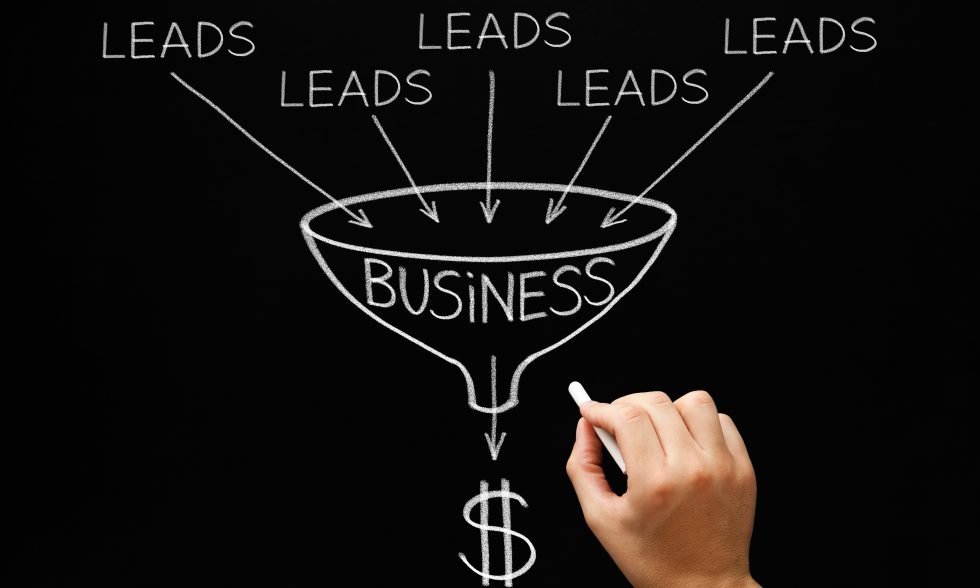
The sales funnel represents the customers’ journey through the sales process. Enhance this funnel to help customers make a purchase. A better journey improves the entire experience and ensures transitions until a successful sale is made.
B2B marketers focus on the middle of the funnel, as something that has the biggest impact on conversions.
This is where leads are nurtured and educated. At this point, you must provide high-quality posts to address issues and offer tailored solutions to boost funnel progression.
Tools like CRM systems and marketing automation platforms aid in user success. We use them to gain customer insights into behavior and improve demand generation program.
Conversion rate optimization (CRO) includes refining landing pages, simplifying forms, and clarifying value propositions. A/B testing is a tooll in determining which marketing processes yield results.
Harnessing content marketing to enhance conversion rates
Content marketing is a demand gen strategy you should never overlook. It attracts leads to your site and guides them through the sales funnel toward conversion.
Different kinds of articles:
- Informative blog posts are great for building awareness at the start of the journey
- Detailed white papers show expertise and value in the middle.
- Case studies provide proof to customers, helping to build trust and reduce perceived risks.
- Webinars allow for interaction, addressing questions and concerns in time to speed up conversions.
It’s crucial to tailor pieces for each stage of the buyers journey. Among others, you must including calls to action that guide the audience forward.
Conversion paths should be well-designed t with relevant lead magnets behind forms to collect prospect details. Tracking metrics like downloads or sign-ups reveal which posts pieces are most effective. With this data, you improve conversion rates.
Algocentric Digital suggests you create potent funnels to streamline incoming traffic. Even if you’re not converting, the pipeline will boost your brand awareness and growth marketing.
These strategies allow businesses to accurately create a path from prospects to customers. They boost conversion rates and ensure successful demand-generation campaigns.
Using Content Marketing
You can’t have successful demand generation strategies without relying on writers and a powerful content marketing framework.
Keep in mind that quality posts are essential for businesses to attract and engage a target audience. In the end, you need to make sure people stick on your website long enough to convert.
The main aim of this type of marketing is to encourage customer actions. We do this by building authority, fostering trust, and cultivating lasting relationships.
You must employ an integrated strategy that aligns articles with customers’ needs at different stages. That way, you ensure success in your marketing efforts.
With the right posts, marketing teams can turn their websites into a lead magnet that draws prospects. Use marketing funnels to guide visitors towards conversion and retention.
The demand generation tactic uses channels and formats like social media and Google Ads. It offers businesses a range of tools to connect with potential buyers across the digital landscape.
Article marketing works hand in hand with elements of the marketing mix. It relies on SEO, social media, and email marketing, as part of an effort.
Marketers use SEO practices to improve their placement in search engines. The practice ensures your pieces are not only engaging but also easy to find.
Social media campaigns can help expand your reach, while email marketing efforts enhance engagement. Provide tailored posts that speaks to the interests and concerns of audience segments.
Types of Demand Generation Content

We use different types of writing to generate demand. Basically, it emphasize the importance of crafting articles that resonates with your target audience.
These are some key formats that will drive demand for your B2B company:
- Blog Posts: Articles serve as the basis of your strategies. They offer insights, tips, and updates to establish authority in your industry.
- White Papers: In-depth report that address industry challenges and showcase your solutions.
- E-books: Guides that explore topics in detail, providing value while enticing readers to delve deeper.
- Case Studies: Real-life success stories that demonstrate how your product or service delivers results. They also enhance trust and showcase product benefits.
- Webinars: Interactive sessions that educate and engage participants in time, allowing for interaction through Q&A sessions.
- Infographics: Posts designed to simplify information, making it easy to understand and share with others.
- Videos are a captivating method to show products and build awareness. They are especially popular among youngsters who like channels like YouTube and TikTok.
- Email newsletters serve as updates to keep your brand in the minds of people and maintain connections.
Mix various formats to cater to the preferences and learning styles of the target audience. Ensure that potential clients gain a rounded view of your product or service offerings.
Advantages of Utilizing White Papers in Generating Demand
White papers are vital as they showcase expertise. They provdie information you can’t find anywhere else.
A well-crafted white paper achieves the following:
- Educates and Enlightens: Diving into topics, it provides substantial and thorough information to prospective buyers.
- Showcases Industry Expertise: A white paper position a company as a respectable figure.
- Generates High-Quality Leads: The nature of papers attracts prospects at an advanced stage of their buying journey.
- Nurtures Leads: White papers engage customers by offering content that aligns with their business requirements.
- White papers play a role in supporting SEO efforts. They boost search engine rankings and attract more organic traffic and potential leads.
These informative documents provide insights and serve as a way to collect contact information. This makes them an effective tool for lead generation. Use the format to enhance the company’s value proposition and showcase expertise.
Creating Engaging Blog Posts
When it comes to creating blog posts for lead gen, certain key elements can make an impact:
- Captivating Headlines: Compelling titles offer value and pique readers’ interest.
- Timely and Relevant Content: Address current trends or issues for ensuring your post remains relevant and valuable to readers.
- Strategic SEO Practices: Use relevant keywords so your posts appear in search results and drive organic traffic to your blog.
- Reader-Friendly Presentation: Break down information into paragraphs. Use bullet points and subheadings to make pieces more readable.
- Visual Appeal: Incorporating images or videos can enhance the appeal of your blog posts and help illustrate points effectively.
- Encourage Action: Include clear calls to action prompts to take the next step toward engaging with your articles. Every blog post should conclude with a call to action (CTA), prompting readers to subscribe, access a resource, or reach out to the sales team.
With these elements, blog posts transform into more than textual pieces for your brand.
They now serve as an entry point into the sales process. These articles encourages readers to interact with the brand and boost lead-generation efforts.
A solid marketing strategy should combine the target audience, their buying journey, and an effective mix of content. That way, it can enhance company’s demand generation marketing. The end result is a pool of qualified leads and a more prosperous business.
Integrating Account-Based Marketing
Account-based marketing (ABM) is a targeted approach that focuses on engagment sets for target accounts. Unlike traditional marketing, ABM avoids volume-driven marketing pitches. We use it to focus efforts to convert identified high-value accounts.
Referred to as ‘key account targeting,’ ABM treats accounts as markets. We use the tactic to create tailored campaigns that address the distinct challenges of each account.
Definition of Account-Based Marketing
Account-based marketing combines tailored marketing and sales efforts to engage accounts on a deeper level.
ABM is precise and direct. It uses marketing resources to select accounts and drive conversions. ABM focuses on using resources and developing campaigns that cater to the needs and challenges of each targeted account.
Creating Account-Based Campaign
Embarkment on an account-based marketing campaign involves steps:
- Identify and Prioritize Accounts: Create a list of high value accounts through data analysis and insights. Rank the accounts based on revenue potential and strategic significance. Assess the likelihood of closing deals.
- Gain Account Insights: Gain knowledge about the targeted accounts. Learn about their business obstacles, industry, and key stakeholders.
- Develop Personalized Content and Messages: Create tailored messages. Address the needs and business goals of each account utilizing the insights gathered.
- Select the chat channels: Determine the suitable platforms to connect with stakeholders in each account. Use email, social media, or personalized online experiences.
- Implement campaigns: Ensure that each ABM campaign is customized for the account it targets. Focus on achieving desired results.
- Coordinate sales and marketing efforts: Make sure that the sales and marketing teams work together. Improve interaction throughout the sales process.
- Track and refine: Assess the performance of your ABM campaigns. Make adjustments when necessary to enhance engagement and conversion rates.
Follow these steps to develop and execute ABM campaigns. Focus your marketing efforts on converting accounts into loyal customers rather than dispersing them among a broad audience.
With these tricks, you master demand generation marketing without breaking a sweat.

Sergiy Solonenko is the founder of Algocentric Digital Consultancy, a seasoned digital strategist, and a fractional CMO for B2B SaaS brands undergoing digital transformation. With over a decade of experience, he specializes in scaling demand-generation programs, optimizing account-based marketing, and aligning sales and marketing teams. Sergiy helps B2B SaaS companies enhance lead qualification, improve user experience through personalization, and leverage Martech to accelerate MRR growth.