The account-based marketing SaaS concept is an approach where a software brand focuses on a small number of high-value accounts. For the most part, it’s a B2B marketing approach, although it can be used for B2C clients.
ABM can offer a range of benefits to SaaS businesses. It can help narrow down your target list to higher quality leads, reduce sales cycle times, increase return on investment, build relationships with accounts, and maximize your marketing and sales teams’ resources.
To get started with an ABM platform, you’ll need to establish target accounts most likely to purchase from your SaaS business. You’ll then need to identify potential customers within those accounts and develop a strategy to engage them. Once you have a clear understanding of how ABM can benefit your business, you’ll be able to start implementing effective campaigns and begin seeing real results.
Understanding the Different Types of B2B SaaS Marketing Strategies
When it comes to marketing a B2B SaaS company, there are many different strategies at your disposal. Understanding these strategies is essential for success. Some of the most common marketing strategies for B2B SaaS companies include account-based marketing, content marketing, digital marketing, and traditional marketing.
Account-Based Marketing
Account-based marketing is a way of targeting an individual high value account. It involves using personalized messages tailored to each lead and focusing on relationship building. ABM is an effective way of nurturing and engaging potential customers.
Content Marketing
Content marketing is all about creating content that is relevant and of value to your target audience. Content can range from blog posts and white papers to videos and webinars. Content should always be helpful and never promotional. This type of marketing allows you to develop trust with potential customers and build long-term relationships.
Digital Marketing
Digital marketing is the use of digital channels such as search engines, social media, and email to reach customers. This approach allows a B2B marketer to measure and track response rates for maximum marketing efficiency. This is a great way to reach a large number of potential customers quickly and efficiently.
Traditional Marketing
Traditional marketing methods such as radio, television, and print advertising are still effective options for B2B SaaS companies. The B2B SaaS marketing strategy can reach a wider audience and ensure that your message reaches the right leads. It’s important to know when to use traditional marketing, as it can be costly and time-consuming.
No matter which strategy you choose, it’s essential to understand the different types of B2B SaaS marketing strategies. Each one has different advantages and disadvantages, so it’s important to research and choose the best option for your company.
Targeting Specific Accounts and Identifying Potential Customers
When you’re launching an account-based marketing campaign for your B2B SaaS company, it’s important to know who you are targeting. Not all customers are created equal, and while every customer has value, they won’t all have the same value to your SaaS business. Therefore, as part of your ABM strategy, you must find the right accounts to target and identify potential customers.
- Define Criteria: The first step in this process is to set your criteria for a potential customer. Look at what qualities make a customer ideal in terms of value, and use these criteria when targeting specific accounts. Find ways to improve the perception of your SaaS compared to the field. Determine what types of businesses could benefit from your software and create a list of these prospects
- Assess Leads: Once you’ve identified the businesses to target with your ABM campaign, it’s important to evaluate the potential customers within each of those accounts. Use demand generation and customer success techniques to delve deeper into each account and learn more about their individual needs and requirements. This will help you determine which accounts are most likely to make a purchase and which ones may not be as valuable
- Create Customer Journey: It’s also important to think about the overall customer journey and how you can best support them along the way. Personalize your messaging for each account based on their individual needs and create meaningful engagement opportunities. As you move through the sales cycle, ensure that you continue to provide value to the customer by addressing their particular needs
By focusing your account-based marketing effort on specific accounts and identifying potential customers earlier in the process, you can increase your chances of success. Take the time to determine the right customer profile for your company, and use this information to narrow down your target accounts. Evaluate each customer individually and create personalized outreach and engagement opportunities. By taking this approach, you can effectively target specific accounts and identify potential customers much more quickly.
Creating an Effective Account Based Marketing Campaign
Account based marketing is a powerful tactic for generating high-value opportunities for B2B SaaS companies. To effectively reach their target accounts, marketers must have a strong understanding of the various pieces that go into creating a successful ABM campaign.
- Find Targets: The first step in building an effective ABM campaign is to identify and prioritize your target accounts. When selecting target accounts, you should focus on those with the highest potential to generate long-term revenue for your business. You should also consider factors such as geography, industry, company size, and sector to ensure your message resonates with the right audience
- Create a Strategy: Once you have identified your target account, it’s important to develop an effective strategy to engage that person. This could include personalized content creation, email campaigns, and website optimization. As part of your strategizing, you should also think about the most appropriate channels for connecting with a lead, including both digital and traditional mediums
- Develop Messaging: Your next step is to create an effective message that resonates with your target accounts. This will require understanding what their pain points are and how your solution can help address them. It’s important to create content that speaks to the specific challenges your accounts are facing and which expresses the value you can offer them
- Track Performance: Your ABM campaign should be tracked and monitored for effectiveness. By leveraging analytics tools such as Google Analytics, marketers can gain insights into how their campaigns are performing. This data can be used to adjust tactics and refine strategies, ensuring that marketers are always reaching the right people and delivering the right message
In summary, successful account based marketing campaigns involve careful research, tracking, and optimization to reach the right target accounts and deliver the most effective messages. Marketers must understand the needs of their accounts and use the right channels to reach them. With the right strategies in place, ABM campaigns can be an invaluable tool for B2B SaaS companies looking to maximize their returns.
Developing Content Marketing Strategies Suitable for Your Goals
Content marketing is an important part of any ABM approach. By offering interesting and valuable content to potential customers, you can help build a strong relationship between your company and them. However, developing a content marketing strategy that meets your goals requires careful consideration.
Find Optimal Content
The first step in creating a content marketing strategy is to identify what type of content will be most effective in reaching your target audience. Different types of content work better for different audiences, so it is important to know who your ideal customer is and what kind of content will resonate with them. You should also consider other content that you want to include, such as educational materials, product demos, and case studies
Use Right Channels
Once you’ve identified the types of content you want to use, it’s time to determine the best mediums for disseminating that content. This includes things like blogs, websites, social media, and email newsletters. It is important to ensure that your content is distributed where your target audience is most likely to see it.
Focus on Uniqueness
When it comes to creating content, you should focus on producing quality content that is helpful and insightful. Content that is well-researched, informative, and relevant will make you stand out from the competition. Additionally, you should strive to create content that is unique and differentiated. You want to make sure that your content stands out from similar content that is being created by other companies.
Create a Schedule
You should also consider how often you should be releasing content. Depending on the size of your team and the resources available, you may need to adjust your content schedule accordingly. Consider how often potential customers would find your content valuable and try to strike a balance between frequency and quality.
Track Performance
As part of your content marketing strategy, you should track metrics such as website visits, clicks, conversions, and engagement. These metrics will give you invaluable insight into how successful your marketing efforts are. Based on the data, you can make adjustments to maximize your demand gen.
Leveraging Marketing Automation for Improved Efficiency
Marketing automation is a powerful tool for companies looking to improve efficiency with their B2B SaaS marketing efforts. It automates repetitive tasks associated with campaigns and can give companies a competitive edge. By leveraging marketing automation, companies can streamline their processes, save time, and focus on more important activities.
- Engagement Data: Marketing automation can automate lead generation, nurture leads, send personalized emails, track lead engagement, and measure results. This type of automation can help marketers know which messages are most effective in reaching their target audience, as well as save time by automating manual tasks such as sending out emails or gathering customer data
- Buyer Journey: Marketing automation can track customer journeys. With the data gathered from automating processes, marketers can better understand customer behavior and make decisions about where to focus their efforts. Additionally, it can be used to identify customer pain points and further refine the customer experience
Investing in marketing automation can be seen as an investment in future growth for your B2B SaaS company. It not only improves efficiency but also makes marketing teams more effective. As a result, teams can have more time to focus on other aspects of the customer journey, such as customer success or creating content. By leveraging marketing automation, companies can ensure their marketing efforts are targeted, efficient, and effective.
Using Traditional Marketing Approaches to Reach Your Target Audience
Account based marketing tactics are essential for businesses’ success in the modern day. By utilizing traditional marketing strategies, you can reach your desired target audience and build relationships with them. Some of the most effective traditional marketing methods include print advertising, direct mail campaigns, and trade shows.
Paid Advertising
Print advertising is a great way to get your message out to potential customers and generate brand awareness. You can create ads that feature your software and place them in local newspapers or magazines. This type of marketing allows you to easily target audiences within specific geographical locations, as well as those who may be interested in your product for other reasons.
Direct Mail
Direct mail campaigns are also an effective way to reach a potential customer. With this method, you can send out personalized letters or postcards featuring messages about your business and why they should consider it. The key is to make sure your message resonates with the people on your mailing list. This could be achieved by including custom images, use of relevant data, or even personal stories.
Live Events
Trade shows are another option when it comes to reaching your target audience. Participating in live events allows you to connect with potential customers face-to-face, which makes it much more personal than other forms of marketing. You can also take advantage of opportunities such as networking events and collect contact information from attendees. Trade shows are great for increasing brand awareness and generating leads.
Using traditional marketing approaches allows you to reach a specific account and make it more likely that they’ll take notice of your business and consider what you have to offer. Whether you’re looking to generate leads or just increase brand awareness, there are plenty of effective strategies that can help you achieve your goals.
Analyzing Marketers’ Performance With Google Analytics
Analyzing your performance as a marketer is key to making sure your efforts are paying off. Google Analytics is a powerful tool that allows you to measure your success and adjust strategies accordingly. The software can analyze factors such as visitor traffic, website conversions, referral sources, and customer journeys.
Google Analytics provides detailed insights about your content and campaigns. It can help you understand which tactics are working and which need improvement. This information can then be used to fine-tune your strategies for better results. You can also measure the impact of changes you make on the performance of your campaigns.
Google Analytics provides valuable data for improving your marketing efforts. For example, it can tell you how much time visitors spend on your website, how many pages they view, and how many conversions they make. It can also provide insights into what types of content generate the most engagement from visitors and help you identify the best platforms to reach potential customers.
By using Google Analytics, you can track the progress of your campaigns, monitor your return on investment, and identify areas where you can make improvements. It is important to regularly review your analytics data and adjust your strategies if necessary. Doing so will ensure that you are maximizing your opportunities and spending your marketing budget wisely.
Utilizing Google Ads to Increase Reach and Attract Quality Prospects
Google Ads is an invaluable tool for any business looking to reach a wider audience. With millions of searches on Google from people looking for digital solution, businesses have the opportunity to target potential customers more efficiently. Google Ad campaigns allow you to target specific keywords and audiences in various geographic locations, giving you the potential to find high-value accounts and potential customers.
Start with Keyword Research
When it comes to B2B SaaS companies, Google Ads can be an essential element of your ABM strategy. You can create campaigns that focus solely on targeting prospects at particular organizations or industries. Through careful keyword research, you can identify potential customers more precisely and create a powerful ad campaign tailored specifically to their needs.
Improve Marketing Reach
Using Google Ads can increase the reach of your campaign. Whether you’re targeting a single account or multiple potential customers, you can create ads that will appear on search engine result pages when users enter relevant search terms. This can help you to engage with prospects before they even visit your website by optimizing your search engine ranking.
Track Campaign Performance
The best way to get the most out of paid ads is by utilizing data insights. You can track the performance of your campaigns using the data provided in the Google Ads platform, such as cost per click, clicks, impressions, and click-through rate. You can then use this information to make adjustments to your budget, ad creative, targeting, and other variables to ensure that your ads are as effective as possible.
By creating targeted, well-crafted ads and leveraging Google Ads to reach a wider audience, B2B SaaS companies can benefit significantly from their ABM efforts. With the right approach, you can reach high-value accounts and attract quality prospects, driving leads and increasing revenue.

Defining Your B2B SaaS Company’s Ideal Customer Profile
When it comes to growing your B2B SaaS company, understanding who your ideal lead is will always be key. Whether you are looking to attract new customers or retain existing ones, having a clear vision of who makes up your ideal customer profile can help you create the most effective marketing campaigns.
An ideal customer profile identifies the characteristics of prospects who are more likely to become customers and stick with your business. Knowing your ICP helps you determine who to target in your campaigns, what messages to use to resonate with them, and when to reach out during the sales cycle.
This is how the process looks like in practice:
- Rely on Data: Creating an ideal customer profile involves researching your current customer base and analyzing the data you have about them. You should also look at competitors, potential customers, and industry trends
- Create Buyer Personas: Once you have an understanding of who your ideal customer is, you can use this information to build buyer personas. By creating a series of leads for different segments of your target market, you can ensure that your content is tailored and relevant to their needs
- Use Personas for Content: You can also use these buyer personas to develop better messaging and content for your campaigns
- Focus on High-Value Accounts: You should also use the insights from your ideal customer profile to identify high-value accounts and focus your efforts on these. This will allow you to tailor your content specifically to certain types of customers. Doing this ensures that you are speaking to customers in the language they understand and gives them the information they want
By taking the time to define your B2B SaaS company’s ideal customer profile, you can create laser-focused campaigns, more efficiently engage an existing customer, and drive more leads and conversions. Taking a strategic approach to marketing will help you grow your business and increase customer retention.
Achieving Brand Awareness Through Outbound and Inbound Strategies
As a B2B SaaS company, your brand’s presence is critical to your success. That’s why it’s essential to focus on both outbound and inbound marketing strategies to spread awareness of your software
Outbound Marketing
Outbound marketing includes tactics such as cold calling potential customers, running ads, and offering incentives for referrals. These strategies can help you reach new and untapped markets that may not yet be familiar with your brand. However, these efforts can quickly become costly if you don’t plan the approach carefully.
Inbound Marketing
In contrast, inbound marketing focuses on providing potential customers with helpful information about your app. This can include blogs, website content, social media posts, or even videos. The goal is to capture the attention of your target audience and engage them with your brand. Once your target market is aware of your product, they’re more likely to invest in it.
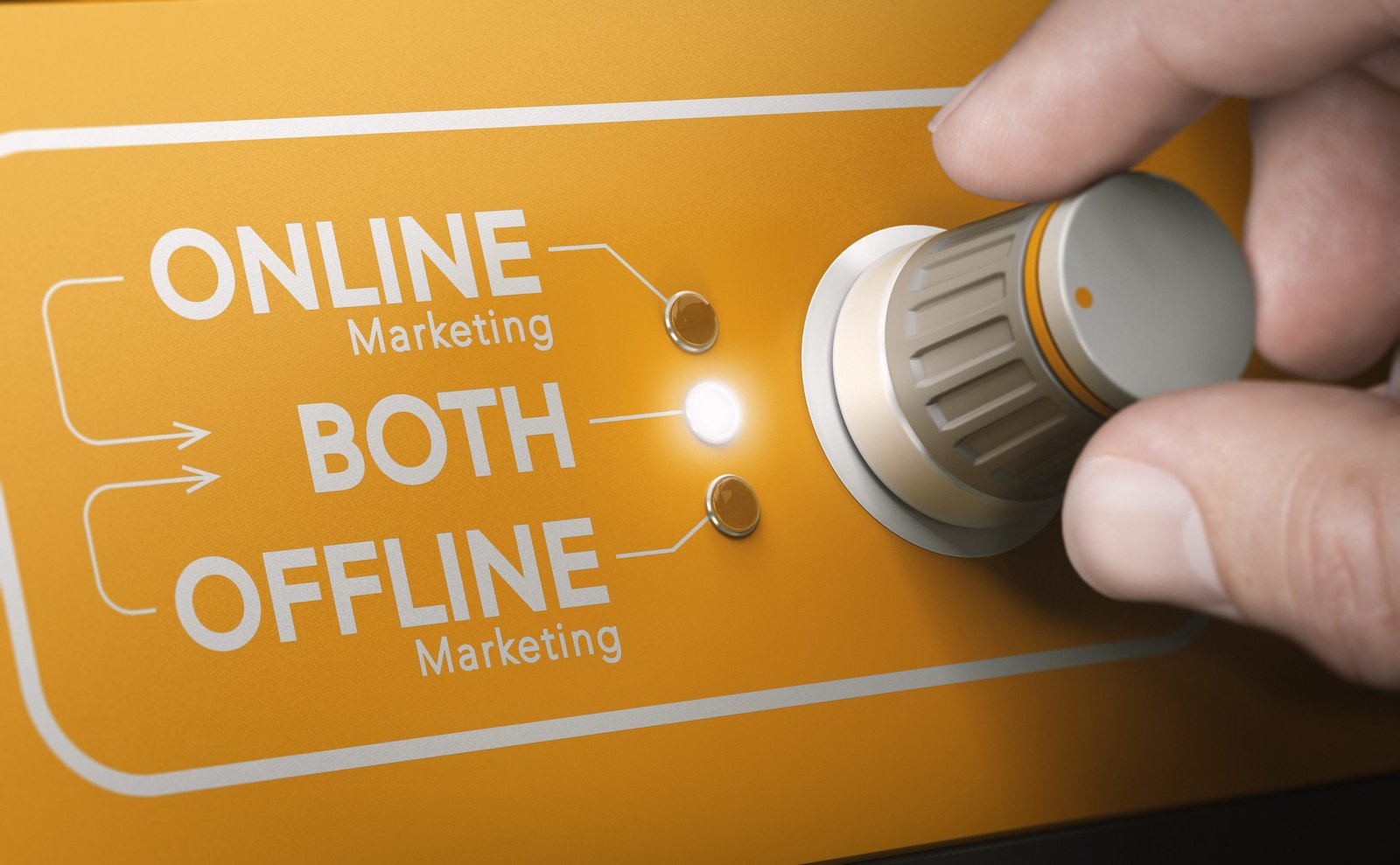
It’s important to remember that outbound and inbound marketing are equally necessary to achieve brand awareness. Outbound tactics like running ads and cold calling are often necessary to get your message out quickly. But, over time, inbound marketing efforts can help nurture those leads and retain existing customers.
Your sales team should find a balance between outbound and inbound strategies. If you focus too heavily on one marketing approach, your campaigns are less likely to succeed. Investing in the right strategy for your business and creating a comprehensive action plan can lead to increased brand awareness and customer engagement.
Measuring the Impact of Your ABM Campaign
Measuring the impact of your account based marketing campaign is essential to determine its success. By taking the time to analyze customer data, you can identify areas that need improvement.
Here’s how you can use data to analyze your ideal B2B buyer:
- Use A/B Testing: Many SaaS companies use the ‘A/B testing’ approach for their campaigns, where they compare different approaches and outcomes. For example, if you’re focusing on email marketing, you may wish to try different subject lines or graphics to see which ones lead to higher open rates
- Analyze Different Accounts: You can also assess data for each target account and buyer persona. Analyzing the ROI of your marketing efforts can reveal which accounts are worth further investment and which may need special attention. This helps you to determine which channels are working best and which might need an injection of fresh ideas
- Track Different Campaigns: Once you have identified the areas that require more attention, you will be in a better position to adjust your strategies accordingly. You can use the insights gained from measuring the success of each campaign to create a list of targeted activities, such as additional advertising or new content. This will help to keep your marketing team on track and ensure that all efforts are going towards achieving the desired outcome.
You should use this data to help your marketing team. Investing in training or providing additional resources will help sales reps meet the demands of future campaigns. It also ensures that you are considering new approaches and thinking outside the box.
If none of these tricks work, you can always hire a reputable ABM agency to create an account based marketing strategy for your brand!


Sergiy Solonenko is the founder of Algocentric Digital Consultancy, a seasoned digital strategist, and a fractional CMO for B2B SaaS brands undergoing digital transformation. With over a decade of experience, he specializes in scaling demand-generation programs, optimizing account-based marketing, and aligning sales and marketing teams. Sergiy helps B2B SaaS companies enhance lead qualification, improve user experience through personalization, and leverage Martech to accelerate MRR growth.