Smart ABM marketers leverage account based marketing to focus on leads.
ABM allows you to coordinate marketing and sales strategies, for outcomes. It concentrates on engaging accounts through targeted marketing initiatives.
For creating a B2B SaaS account based marketing plan, it’s essential to grasp the aspects that set this approach apart.
This digital marketing technique reduces the costs of acquiring customers and boosts satisfaction levels for conversions.
ABM establishes a foundation for a strategy where quality outweighs quantity. This tailored precision distinguishes, between an ineffective B2B marketing strategy.
In this handbook we will explore practices and guidelines.
We’ll also guide you on aligning your teams and crafting strategies to engage leads effectively.
By employing this method you’ll witness advantages for your ABM program!
What Is Account-Based Marketing?
ABM involves a strategy where marketing and sales teams collaborate to tailor messages and content for target account.
Unlike marketing methods ABM program treats targeted account individually crafting messages and offers that address the needs and objectives of buyers.
The main goal of ABM is to provide an experience, for customers.
It goes beyond generating leads, to building relationships at every step of the sales process.
This approach is well suited for purchasing processes that involve decision makers and longer timelines compared to B2C transactions.
Benefits of B2B Account-Based Marketing in the SaaS Industry
A planned ABM strategy is fantastic for a competitive industry like B2B SaaS.
One significant advantage of ABM is its ability to align the marketing and sales efforts. Use it to close high-value targets and optimizing resources.
The key advantages include:
- Enhanced Customer Acquisition: Focus on high-value accounts that match the ideal customer profile. Attract with high lifetime value.
- Personalized ABM Marketing: ABM enables the creation of customized content and messaging. The marketing content solves the issues of your target account.
- Increased Conversion Rates: An ABM campaign maximizes your conversion rates and ensures better B2B marketing alignment.
- Sales Processes: ABM contributes to an efficient sales process. Use it to focus marketing efforts on selected accounts, allowing the sales and marketing team to concentrate on nurturing those leads.
- Enhanced Return, on Investment Monitoring: Keep an eye on marketing campaigns on an account basis. This method guarantees a evaluation of marketing return, on investment.
ABM puts strategic emphasis on high-value accounts.
It increases ROI for B2B SaaS companies, making it a powerful account based marketing strategy in a competitive market.

Ideal Customer Profile Basics
When developing a B2B SaaS account based marketing plan it’s crucial for a B2B marketer to clearly outline their Ideal Customer Profile (ICP).
This profile defines the businesses that stand to benefit the most from utilizing your software solution.
- Invest in research and outline your ICP by studying your client base, market insights, and competitor strategies. With it, target businesses are most likely to convert.
- Kick off this process by analyzing your existing customers to identify traits and successful sales interactions.
- Perform interviews and conducting surveys with these clients. Use the information to learn why they opted for your solution and how it addresses their pain points.
- Utilize marketing automation to explore companies that could find value in what you offer. This data-driven approach considers industry trends and changes in market demands.
- Examine your competitors’ customer base to understand who they are resonating with.
This process assists in pinpointing gaps in the market or areas where your product has an edge. By integrating these observations, you create an Ideal Customer Profile (ICP) for your account-based marketing strategy.
Creating an Ideal Customer Profile
When establishing your target audience, focus on vital factors. Analyze industry sector, company size, annual revenue, location, and technology.
consider factors like the company’s growth phase, market impact, and purchasing procedure.
Include ABM marketing, sales, customer success, and product development teams. Internal Insights show what makes a customer an ideal match for your SaaS solution.
A detailed ICP tailors your traditional marketing initiatives and aligning them with the customer experience journey. Use a dynamic profile for maximum results.
Adapt as you gather data about your target audience.
Make sure to include the following details in your Ideal Customer Profile (ICP) table:
- Types of industries targeted
- Company size, such as number of employees and annual revenue
- Geographic locations served
- Technology usage by customers
- Business challenges faced by customers
- Purchasing process insights
- Decision makers roles and departments involved
Benefits of ICP
Knowing your ideal customer profile is crucial for implementing an ABM strategy. The ICP serves as a guiding light for marketing and sales teams, shaping their actions and strategies toward a targeted account.
Here’s why it matters:
- Focusing on Precision: An Ideal Customer Profile (ICP) helps you target accounts, for purchases saving time and resources.
- Personalized Communication: Utilizing an ICP enables the creation of customized content that resonates with your target accounts.
- Sales and Marketing Alignment: A defined ICP ensures that marketing efforts align with the sales process promoting an approach to nurturing leads.
- Efficient Resource Allocation: With an understanding of your customers you can optimize budget and resources effectively.
- Performance Assessment: Leveraging an ICP allows for tracking performance metrics leading to ABM campaign outcomes.
The ICP serves as a roadmap for your traditional marketing strategy employing tailored tactics for leads.
This targeted approach enhances engagement, facilitates connections. Contributes to closing a number of successful deals.
Therefore it stands as a tool, for increasing account engagement driving demand generation and achieving Account Based Marketing (ABM) success.
Target Audience Basics
Understanding your target audience involves identifying your customer profile.
This specific group of clients represents the businesses most likely to adopt your SaaS product.
The target audience is more, than demographics. We analyze companies based on their technology preferences, behavior and operations.
Your target audience may be characterized by their position in the market. They could be operating in industries where regulatory compliance challenges are addressed by your product.
To define this audience it’s essential to consider and document the following characteristics:
- Industries or Sectors: Focus on the areas where your SaaS solution brings value.
- Company Size: Categorize the target audience according to company size.
- Business Model: Determine whether your product targets a B2C or B2B market.
- Tech Knowledge: Assess how tech savvy your target audience is and their openness to innovation
- Identify the regions where your product’s available. Consider language regulations and other location specific factors.
Enhance your account based marketing effort by pinpointing the target audience. Tailoring to the businesses enables you to craft effective messages and convert leads, at a higher rate.
Analyzing Target Audience’s Pain Points
To meet the needs of your target audience effectively it’s important to understand what challenges they are facing. By gaining insights, into their issues you can craft marketing messages and tailor product development strategies accordingly.
Take a look at the struggles your target audience is encountering:
- Identify areas where your software can provide solutions.
- Spot any gaps in their processes that your product can fill.
- Highlight any shortcomings in their current technology setup that your SaaS solution can address.
- Consider the industry regulations and constraints they are dealing with.
- Present your product as the solution to their challenges.
- Build a connection, between your target market and your SaaS offering.
Getting Your Sales and Marketing Teams on the Page
To fully leverage an account based marketing approach it’s essential to encourage collaboration, among your teams.
This unity plays a role in conveying a message and providing an exceptional experience to your top tier accounts.
Here are a few ways to align your sales and marketing strategies:
- Set goals and metrics: Define performance indicators (KPIs) that are relevant, to both your sales and marketing teams. Regularly track these metrics.
- Foster internal communication: Create communication plans to keep both teams informed about campaigns and goals.
- Feedback Channels: Introduce channels for the sales team to offer feedback on marketing materials. Manage lead quality. Work towards improving it over time.
- Joint Training: Arrange training sessions where sales and marketing personnel can focus on shared processes, challenges and objectives.
By fostering communication you lay the groundwork for team interactions. This fosters leads and increased conversion rates, throughout your account based marketing program.
Fostering Teamwork Between Sales and Marketing Units
The foundation of an ABM plan lies in the collaboration between sales and marketing departments.
To foster this collaboration:
- Lets organize meetings where the sales and marketing teams collaborate. This approach helps in developing campaigns and aligning company strategies effectively.
- Work together on defining lead scoring criteria to ensure everyone understands the importance of high value prospects.
- Integrate sales feedback into content creation, for marketing campaigns that appeal to target accounts.
Significance of Sales Team for ABM Implementation
It’s essential to have the sales team, on board to make your ABM strategy successful. They are key, in turning ABM initiatives into deals. Here’s how you can get their support:
- Outline how ABM streamlines the sales process and boosts conversion rates.
- Involve the sales team in the ABM planning stage to gather input and promote ownership.
- Showcase specific examples of sales outcomes from ABM campaigns to illustrate the strategy’s impact.
By motivating your sales team, you reduce resistance. Empower employees to improve customer experience. That way, you increase the results of your B2B SaaS marketing tactics.
By motivating your sales team, you reduce resistance.
Identifying and Focusing on Key Accounts
With B2B SaaS, you must pinpoint and focus on accounts, which is a fundamental aspect of targeted marketing.
Key accounts include every potential customer likely to convert and generate revenue for your company. This is how you find the prospects:
- Analyze Data: Utilize tools to examine past sales data. Spot trends, patterns, or specific company traits that mirror your interactions.
- Create an Ideal Customer Profile: Develop an ICP outlining perfect partners. Take into account factors such as industry, company size, and budget.
- Conduct Market Research: Find trends to gauge which industries might be receptive to your offerings.
Target each specific account by using custom marketing strategies. Rely on various channels, from emails to direct mail.
Significance of Key Accounts in B2B SaaS
In ABM, the focus is on high-value accounts based on the Pareto Principle. According to it, around 80% of a company’s revenue comes from 20% of its customers.
In the world of B2B SaaS, these key accounts are more than revenue generators. They act as business supporters and offer valuable insights for product enhancement.
This is what you get by focusing on these prospects:
- Resource Optimization: Focusing on promising leads increases the efficiency of your marketing and sales efforts.
- Increased Return on Investment: High-value accounts provide higher conversion rates.
- Strategic Long-Term Growth: Build and nurture rapport with these accounts to grow your sales and business.
By meeting the needs and expectations of these high value accounts, you lay foundation for successful business. Use an ABM plan that aims not only at boosting sales but also at fostering overall business expansion.
Crafting Your Account-Based Marketing Strategy
Developing a marketing plan focused on accounts can present some difficulties.
The advantages include personalized marketing campaigns and streamlined sales processes. Here is a roadmap for a B2B marketer to create an ABM strategy:
- Establish Harmony Between Sales and Marketing Departments
- Generate Tailored Content
- Interact with Your Audience Across Different Channels
- Monitor Important Performance Indicators
By adhering to these guidelines B2B SaaS companies can enhance their customer relationships.
This approach allows businesses to lead targeted accounts through the sales process for results.
Establishing Clear Goals and Objectives for Your ABM Strategy
Before kicking off the campaign it’s crucial to have goals and objectives, in place.
For ABM approach, these goals should be closely tied to the high value accounts you are targeting:
- Sales Alignment: Work with the sales team to establish revenue or deal size targets.
- Customer Engagement: Define goals related to engagement metrics such, as response rates or scheduled meetings.
- Brand Awareness: Establish targets to increase your companys visibility. Utilize influencers and ABM platform to spread your message effectively.
- Account Penetration: Aim to cross sell to target accounts in order to expand your presence within those accounts.
Finding the ABM Approach for Your B2B SaaS Business
Every B2B SaaS company must consider which ABM strategies will work best for them.
These are some ways marketers narrow down their options:
- Content Marketing: Share content that tackles the challenges of your customer profile. Guide users towards your solutions without forcing their hand.
- Direct Marketing Campaigns: Connect with leads with targeted ads. Send personalized mail to connect and engage cold contacts.
- Events: Host or join events where your target audience is present. Sell to them face-to-face.
- Tools: Enhance your strategic ABM efforts by incorporating ABM platform to broaden your reach and provide tailored experiences.
Develop a blend of tactics to boost interaction ensuring alignment with defined goals, for results.
It allows your sales rep to create customer journey according to SaaS marketing strategy.
Customizing Your Marketing Strategies for Clients
In the realm of B2B SaaS marketing, a one-size-fits-all approach doesn’t yield the desired results.
So, you must customize your strategies to address the needs of customers. To start off you should understand the qualities and characteristics of the companies you are targeting.
To effectively reach your target audience it’s important to consider factors, like company size, industry focus, technological progress and the specific problems your product can address.
By understanding these details you can craft marketing messages that resonate with your customers increasing the likelihood of converting leads.
After that segment your customer base according to these criteria to tailor your communication effectively. For instance:
- For startups and to medium sized businesses (SMEs) emphasizing affordability and scalability could be attractive. Providing content that simplifies product adoption may prove beneficial.
- For enterprise clients focusing on data security and seamless integration with their existing systems is essential. Sharing case studies and white papers that address these issues can make an impact.
By customizing your marketing materials your sales rep caters to the needs of each customer group.
You pave the way for interactions and a smoother sales process.
It’s crucial to assess where each prospect stands in their customer journey so you can adjust your approach.
This is based on whether you’re raising awareness or finalizing a transaction.
Crafting Custom Content and Experiences
Crafting custom content and tailored experiences forms the core of an account based marketing plan.
To convert accounts into customers it’s crucial to go beyond customization and truly individualize your marketing strategies.
Creating a buyer persona, for each account provides insights, into the effective content marketing that will resonate with them.
Whether it involves industry blog articles, customized email sequences or personalized webinars the content should address the challenges and objectives of each account.
To enhance the personalized experience further, your ABM agency should consider implementing the following strategies:
- Customized Content Based on Role
- Industry Relevant Resources
- Tailored Offers for Each Account
An account-based marketing campaign focuses on personalization.
It also shows you understand prospects’ needs and have the capacity to create suitable solutions.
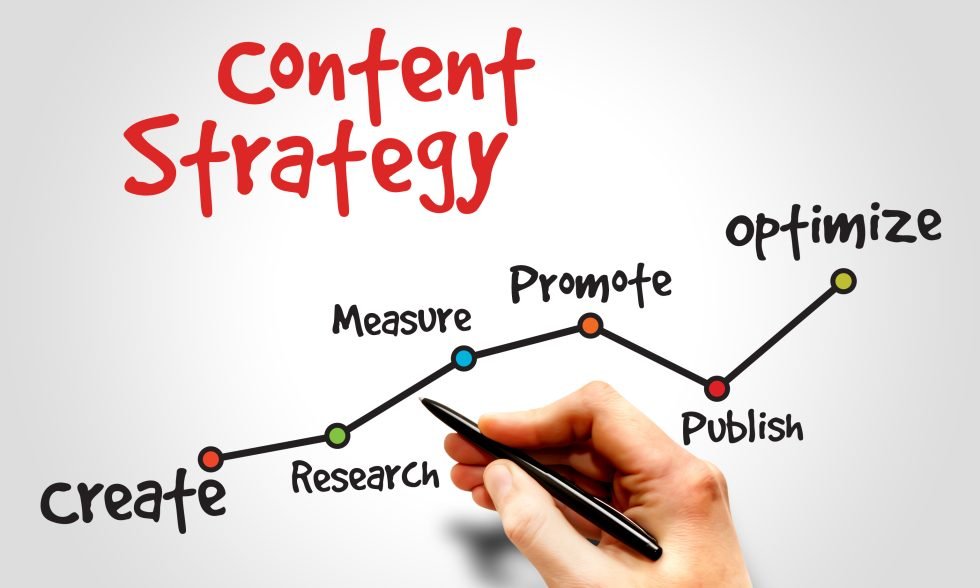
Relying on Data-Driven Decisions
The importance of marketing automation for decision making in account based marketing cannot be emphasized enough.
By basing your ABM strategy on data you ensure that your actions are precise and effective leading to cost savings and increased returns.
Below are some steps to implement data driven decision making:
- Prioritizing Leads: Use a scoring system to rank accounts based on their likelihood of conversion and alignment with your potential customers profile.
- Monitoring Analytics: Keep track of performance across content types and communication channels making adjustments as needed.
- Incorporating Sales Feedback: Integrate feedback from the sales team based on real world experiences.
By embracing data driven processes strategic ABM evolves from a marketing tactic into a powerful tool.
Your marketing team should use it for B2B SaaS inbound marketing, for each specific account.
Guiding Key Accounts through the Sales Funnel
For account-based marketing to succeed, you need a granular sales and marketing funnel. Use proven frameworks to nurture key accounts for your business.
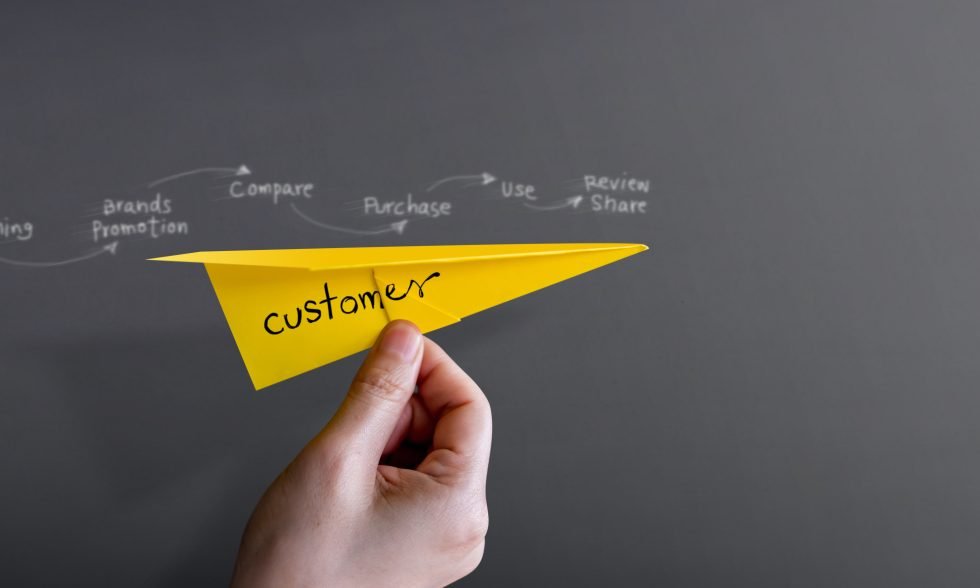
These are the common stages of the buyer’s journey:
- Awareness
The journey commences with Awareness, where targeted marketing campaigns introduce your SaaS solution to high value accounts. The goal is to create visibility for your product and position it as a solution, for addressing each target customer’s needs.
- Consideration
When prospective customers reach the Consideration stage, they compare your product with what your competitors offer. This is where personalized content plays a role by highlighting how your product meets their needs.
- Decision
The Decision phase is pivotal, as its when key accounts are at the end of their sales cycle. Your teams need to work together to provide all the information, assurances, and incentives to sway the decision in your favor.
- Retention
After a sale is made, ensuring customer satisfaction becomes key during the Retention phase.
- Advocacy
Turning customers into brand advocates is the focus of Advocacy. Marketing and sales teams should collaborate at every step to ensure each customer has a journey that leads to a lasting partnership.
Bringing Marketing and Sales Together for an Optimized Sales Process
The collaboration, between the marketing and sales teams plays a role in shepherding accounts through the sales journey.
This partnership ensures that your efforts in generating demand spark interest and drive sales. To foster this alliance:
- Encourage Ongoing Communication: Its important for both teams to hold meetings to update each other on progress and share insights.
- Maintain a Unified Message: Develop marketing campaigns that tell a story about the product and the B2B SaaS company.
- Define Common Goals and Metrics: Establish performance indicators such as conversion rates and sales cycles to assess the effectiveness of your Account Based Marketing (ABM) strategy.
By integrating tailored content and campaigns from marketing with guidance from sales, in closing deals it leads to a synchronized effort that smoothly navigates accounts through every phase of the sales process efficiently and effectively.
Enhancing Conversion Rates with Personalized Content
In the realm of B2B SaaS creating tailored content and boosting conversion rates are crucial for business expansion.
Tailoring content to meet the needs, preferences and business hurdles of clients helps companies.
It establishes connections and steer potential clients more efficiently along the sales journey.
Personalization plays a role in aligning marketing communications with the demand, for solutions.
Here are a few strategies to leverage personalized content in order to improve conversion rates:
- Know Your Buyer Persona: Delve into data to gain an understanding of your target audience. This includes analyzing their customer profile, industry pain points and unique business goals.
- Customize Content Based on Where Buyers Are in Their Journey: Different stages of the buyers journey call for different kinds of content. A knowledgeable sales team will understand the transition from creating awareness to fostering consideration. Equip their touchpoints with tailored content accordingly.
- Implementing Insights Based on Data: It’s important to use data to shape your content strategies. Utilize information collected from website interactions, email marketing efforts or past purchases to tailor the content you create for each individual.
- Try Out Personalized Messaging, via A/B Testing: Get into the habit of testing versions of content to see what resonates best with your target audience. This ongoing process will help you refine your approach and improve conversion rates.
- Align Personalized Content with Sales Goals: It’s crucial for marketing and sales teams to collaborate effectively. Marketing should provide tailored content that directly supports the sales journey equipping the sales team with resources for converting leads.
Types of Personalized Content to Consider for Improved Conversions:
- Customized Email Sequences
- Unique Case Studies
- Personalized Demo Presentations
- Interactive Assessments or Tools
- Segment Specific Blog Posts
By incorporating these tactics SaaS providers can see an increase, in their conversion rates.
Focusing on personalized content not shows an understanding of the customers needs.
It also positions the B2B SaaS offering as the ideal solution, to their challenges.
Personalizing content in B2B account based marketing is crucial as it helps engage high value accounts and streamline sales processes.
Creating a Personalised Experience for Target Accounts
Consumers want a personalized experience from every business they deal with. This includes B2B buyers.
Tailored content plays a role, in B2B SaaS ABM strategies.
Its significance should not be underestimated. It provides benefits that help attract the attention of target accounts and streamline sales processes.
Marketers have found that customized content:
- Enhances Relevance: By tailoring content to meet the needs of each target company marketing efforts become more relevant making it easier for potential clients to grasp the value proposition offered by the SaaS solution.
- Builds Trust: Exposure to personalized content that aligns with their needs nurtures trust between buyers and sellers a factor in B2B decision making.
- Boosts Engagement: Personalized content is more engaging, prompting interaction and ensuring that potential customers are more involved, with both the material and the brand itself.
- Crafting customized content aids, in decision making by informing buyers about the product or service.
- Decisions: Use content to help users make choices.
- Improves Upselling and Cross-Selling: Improve rapport with current clients to sell more products or better plans.
B2B firms must focus on tailor made content within their account based marketing approach to remain competitive.
By matching marketing tactics with customer profiles they can enhance their effectiveness.
Creating content that aligns with the preferences of buyers allows SaaS companies to show empathy emphasizing their target markets needs to increase conversion rates and cultivate customer loyalty.
Our ABM agency will help your inbound marketing effort. Reach out to our digital marketing team and we will create a powerful sales cycle for your marketing campaign.
With LinkedIn Sales Navigator, and other tools, ABM marketer can change your SaaS marketing strategy.


Sergiy Solonenko is the founder of Algocentric Digital Consultancy, a seasoned digital strategist, and a fractional CMO for B2B SaaS brands undergoing digital transformation. With over a decade of experience, he specializes in scaling demand-generation programs, optimizing account-based marketing, and aligning sales and marketing teams. Sergiy helps B2B SaaS companies enhance lead qualification, improve user experience through personalization, and leverage Martech to accelerate MRR growth.